
By Opeyemi Adelakun
Former Vice President and Nigeria Democratic Congress (NDC) presidential candidate, Atiku Abubakar, has criticised the Federal Government’s plan to raise nearly N4 trillion through bond issuances to settle debts in the power sector, describing the move as irresponsible and lacking transparency.
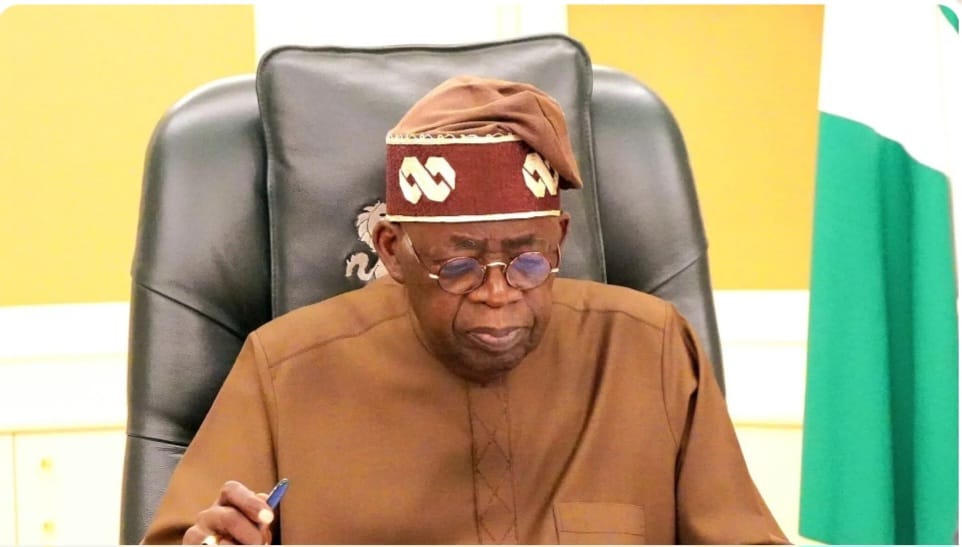
In a statement issued by his media aide, Phrank Shaibu, Atiku accused the administration of President Bola Ahmed Tinubu of repeatedly borrowing to address the same challenge without providing a clear account of how previous funds were utilised.
He argued that Nigerians deserve explanations on successive debt-clearing initiatives announced by the government, noting that fresh borrowing continues despite earlier interventions aimed at resolving outstanding obligations in the electricity sector.
According to Atiku, the Federal Government announced a N590 billion power sector bond in December 2025 to offset debts owed to power generation companies and gas suppliers. This was followed by the reported full subscription of a N501 billion bond under the same arrangement.
He further noted that President Tinubu later approved another N3.3 trillion intervention package in April 2026, bringing the total value of the debt-settlement initiatives to almost N4 trillion.
The former vice president expressed concern that despite the massive financial interventions, power generation companies have continued to complain about unpaid obligations. He cited comments by the Chief Executive Officer of the Association of Power Generation Companies, who reportedly disclosed that outstanding debts remain unresolved.
Atiku questioned why additional borrowing had become necessary within such a short period and called on the government to publish details of all funds raised under previous power sector bond programmes.
He demanded information on the total sums raised, the institutions holding the funds, debts that have been settled, outstanding liabilities, and reasons for the continued accumulation of obligations.
The opposition figure warned that without transparency and accountability, the power sector intervention programme could be perceived as a channel for financial mismanagement rather than a genuine effort to improve electricity supply.
He added that ordinary Nigerians continue to bear the burden of unreliable power supply, rising energy costs and the economic consequences of persistent electricity shortages while government borrowing continues to increase.





Leave a Reply