

By George Omagbemi Sylvester
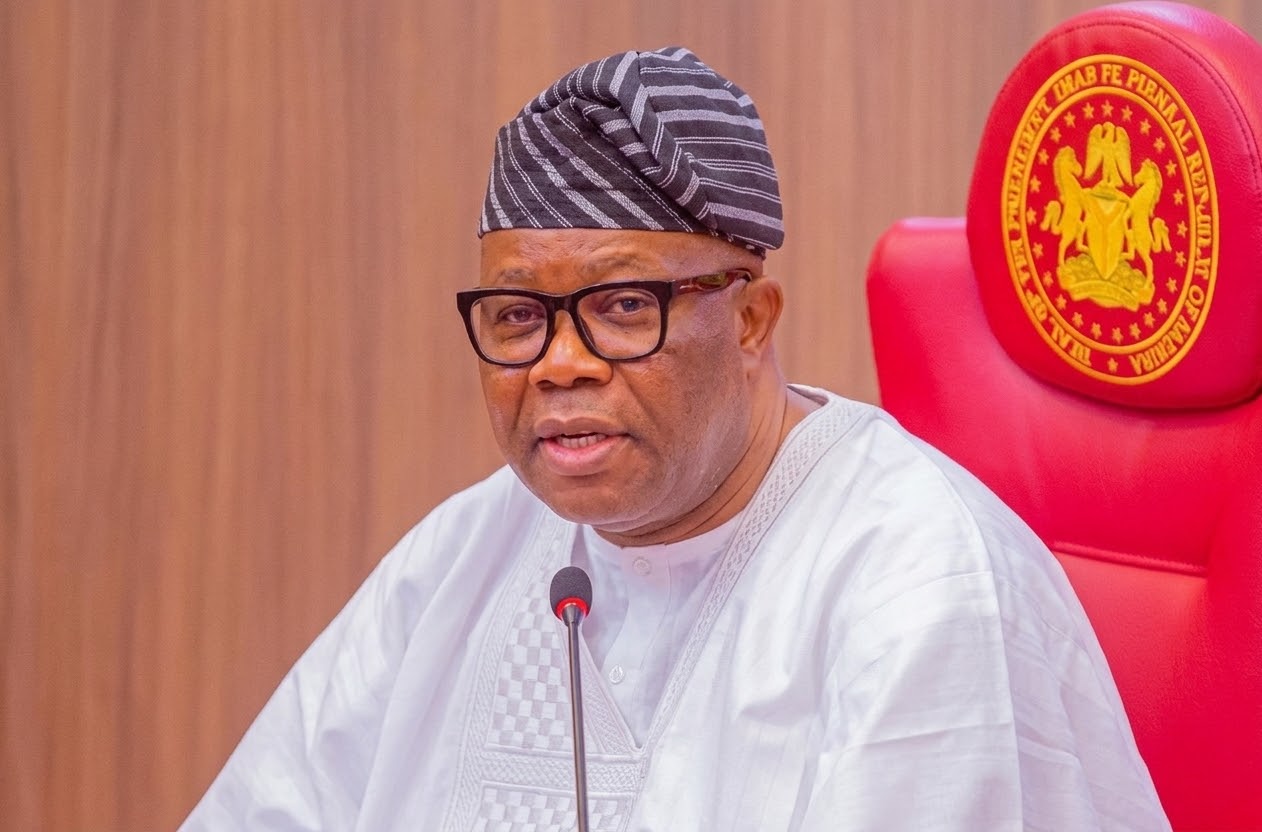
Abuja, Nigeria – In a searing political rebuke that has stirred fresh debate in Nigeria’s fraught electoral reform discourse, former Senator Dino Melaye has publicly accused the ruling All Progressives Congress (APC) of demonstrating insecurity and fear by rejecting the adoption of electronic transmission of election results, a reform widely seen as critical for credible elections.
Melaye’s comments, posted on his X (formerly Twitter) handle on Tuesday, come amid nationwide agitation for greater transparency in the electoral process as the country gears up for the watershed 2027 general elections. The former lawmaker, now a chieftain of the African Democratic Congress (ADC), took aim at APC’s resistance to insisting on real‑time electronic reporting of results, despite the party’s control of 31 of Nigeria’s 36 state governorships.
“APC is doing e‑registration for members, but doesn’t want e‑transmission of results. With 31 governors, dem still dey fear,” Melaye wrote, in a statement that has since gone viral and ignited sharp reactions from political actors, civil society, and electoral reform advocates.
The controversy erupted following the Senate’s refusal to approve a set of proposed amendments to the Electoral Act that would mandate the Independent National Electoral Commission (INEC) to transmit presidential and National Assembly results electronically from polling units to central collation centres in real time; a reform proponents argue would drastically reduce fraud and manipulation. This stance, largely backed by APC senators and lawmakers aligned with the government, has drawn widespread criticism from opposition figures and civil society activists.
Melaye’s social media post on February 10, 2026, specifically singled out the ruling party’s stance, framing it as a paradox: a party that boasts political dominance yet recoils at the prospect of transparency.
The fight over electronic transmission is not merely procedural; it strikes at the heart of Nigeria’s democratic legitimacy. For decades, Nigerian elections have been plagued by allegations of result manipulation, ballot box tampering, inflated figures and delayed or doctored outcome announcements, practices many analysts warn have eroded public trust in the electoral system.
As Yemi Adamolekun, Executive Director of the civil society group Enough is Enough Nigeria, observed in 2023: “If people do not believe elections are fair, they will not believe in the government that emerges from them.” Her warning resonates with a population increasingly sceptical of political elites.
Adopting e‑transmission, she argues, “offers a transparent, auditable trail that can help rebuild that trust.” Though Adamolekun’s comments pre‑date this specific controversy, they underscore why the latest legislative resistance has become a lightning rod for criticism.
Dino Melaye, who once served as Senator representing Kogi West, has long been a polarising figure in Nigerian politics. Known for his flamboyant style and combative rhetoric, he has been elected under the Peoples Democratic Party (PDP) platform in the past and more recently aligned with the ADC. His transition reflects broader opposition fragmentation as Nigeria’s political landscape shifts.
Melaye’s latest critique not only targets the APC but also questions the sincerity of its supposed commitment to democratic reform. “Implosion is imminent and explosion is guaranteed. End of the road. Votes must count,” Melaye added in a separate tweet cited by some outlets covering the story.
Scholars argue Melaye’s position resonates with growing public demand for electoral accountability, especially among younger Nigerians. “There’s a generational shift,” says Dr. Funmi Olonisakin, a political governance expert. “People want results they can verify. Manual tallying, opaque systems, they run counter to democratic consolidation.”
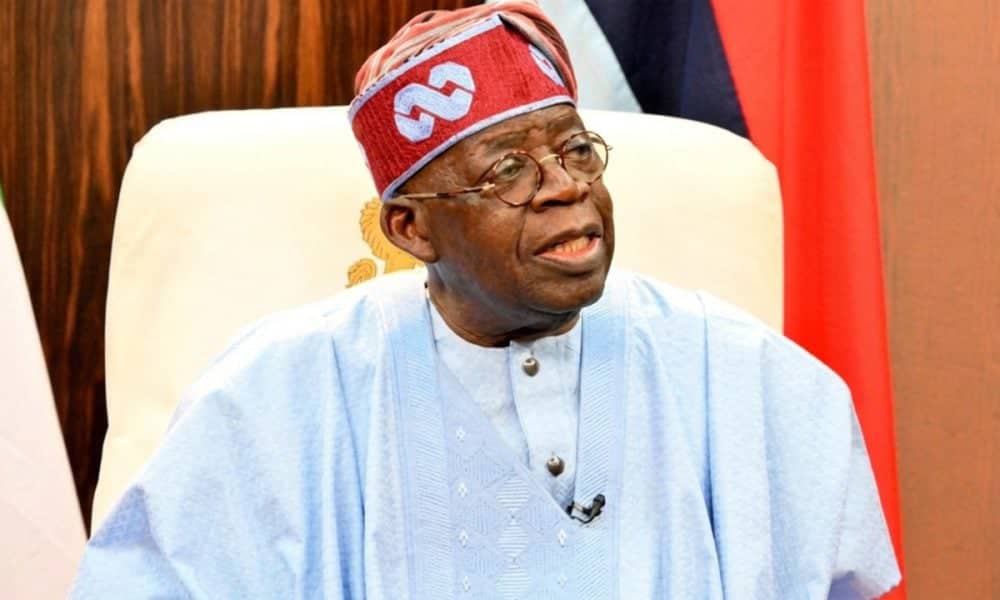
For the APC, the party of President Bola Ahmed Tinubu, reluctance to embrace e‑transmission stems from deep political calculation. While the government insists that existing electoral systems are credible, critics argue the resistance is based on fear of unpredictability in close contests, especially in presidential races where rural network challenges could disrupt transmission or produce discrepancies that might undermine the ruling party’s edge.
The APC leadership has not formally responded to Melaye’s comments, but some lawmakers aligned with the party argue that e‑transmission could be premature without adequate infrastructure and cybersecurity guarantees with a stance analysts say could be both logistical and political.
Nigeria’s electoral system shas long been a subject of public frustration. According to the International Foundation for Electoral Systems (IFES), robust result‑transmission mechanisms are critical for electoral credibility, particularly in countries with histories of contested outcomes.
“Electronic transmission does not guarantee perfection,” notes former INEC Commissioner Attahiru Jega, “but it raises the bar of transparency and significantly reduces opportunities for manipulation.” His perspective, widely cited by electoral reform advocates, frames the debate as a necessary, if contentious, step toward reform.
Melaye’s taunt, that a party with 31 governors still ‘fears’ electoral transparency, encapsulates a broader struggle over Nigeria’s democratic soul. With millions of Nigerians watching and the 2027 general elections looming, the battle over electronic transmission is more than a technicality; it is a referendum on accountability, trust and the future direction of Nigeria’s electoral integrity.
As Dr. Olonisakin puts it, “Democracy thrives where citizens believe their votes matter. Any system that weakens that belief is a threat not just to elections, but to national unity itself.”




Leave a Reply