

By Akinrinlola Olumide
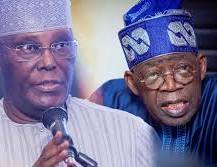
President Bola Ahmed Tinubu may be making a serious political miscalculation if he believes that removing Atiku Abubakar from the 2027 presidential ballot would make his re-election easier.
On the surface, Atiku’s absence could appear to weaken the opposition and divide its support base. But politically, the opposite may happen. If Atiku is excluded from the contest, he could throw his weight behind Peter Obi, transforming the election into a direct battle between a united opposition and the ruling All Progressives Congress.
Before now, attempts by Obi, Atiku and other opposition figures to form an alliance have failed largely because none of the major contenders was prepared to step aside. Obi did not withdraw in favour of Atiku, while Atiku maintained that the 2027 election represented his final opportunity to pursue the presidency.
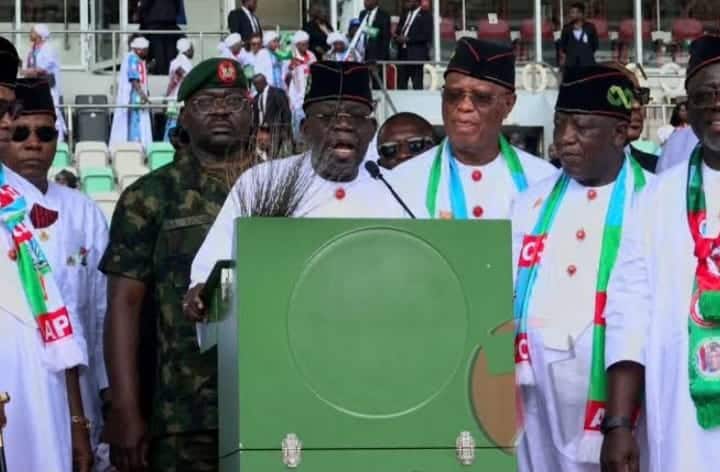
That situation could change if the courts ultimately uphold the judgement affecting the David Mark-led African Democratic Congress structure and nullify the actions taken by the party. In that event, Atiku’s participation in the election could become uncertain.
If Atiku is removed from the ballot through legal processes perceived by his supporters as politically motivated, the consequences may be very different from what the APC expects. Rather than ending Atiku’s influence, such a development could encourage him and his supporters to mobilise behind Obi, a formidable opposition candidate.
This could produce the coalition that opposition leaders have struggled to build on their own.
The APC undoubtedly has the machinery, resources and institutional influence to run a formidable campaign. However, the opposition has something equally important: widespread public anger over the rising cost of living, economic hardship and the effects of the country’s macroeconomic crisis.
Many Nigerians who are dissatisfied with the Tinubu administration may not necessarily be committed supporters of one opposition party. What they may be looking for is a credible platform capable of defeating the APC. If Atiku and Obi remain separate, their votes could be divided, particularly in the northern states where Rabiu Kwankwaso also retains considerable influence. Such a division could give Tinubu a clear advantage.
But if Atiku openly supports Obi, the political calculation changes. Atiku’s network, experience and influence in the North could complement Obi’s appeal among younger voters and sections of the South. Other opposition parties and political groups could also be encouraged to join the arrangement.
The 2027 election could then become less about individual candidates and more about a broad coalition united by opposition to the APC.
Tinubu may therefore win a legal battle against Atiku and still lose the larger political battle. Using the judiciary to keep a major opponent off the ballot may create sympathy for that opponent and strengthen the argument that the government is afraid of facing the opposition at the polls.
If the Supreme Court upholds the Federal High Court’s decision, Atiku’s supporters are unlikely to remain passive. They may respond by throwing their political weight behind Obi and mobilising voters against the APC.
That is why removing Atiku from the ballot may not guarantee Tinubu victory. It could instead provide the opposition with the unity it has so far failed to achieve.
In politics, eliminating one opponent does not always eliminate the threat. Sometimes, it forces that opponent’s supporters to unite behind another candidate. For Tinubu, that could be the beginning of the end of his re-election bid.
Akinrinlola Olumide is the Publisher of Starnews NG Online Newspaper



Leave a Reply