
By George Omagbemi Sylvester
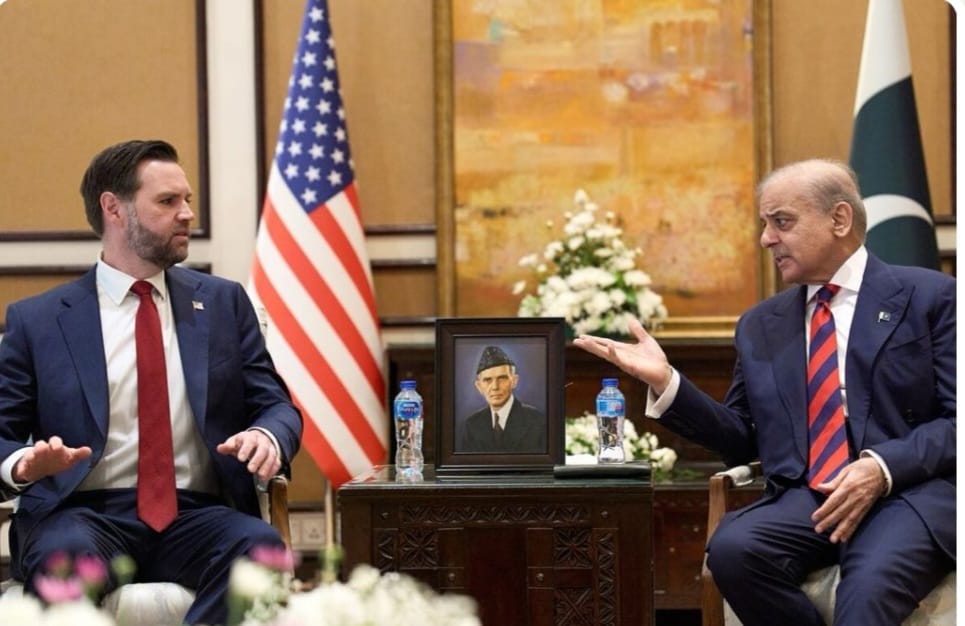
The United States and Iran have failed to reach a peace agreement after high-stakes negotiations in Islamabad, dealing a setback to diplomatic efforts aimed at ending weeks of escalating conflict and stabilising the Middle East. The talks, led by U.S. Vice President JD Vance, were seen as a critical opportunity to prevent further military escalation and secure a lasting ceasefire.
This development was reported on April 12, 2026, after more than 20 hours of intensive negotiations between both sides ended without a deal.
Vance confirmed that the United States presented what he described as a “final and best offer,” but Iran declined to accept the terms, leading to a breakdown in discussions.
The failure underscores deep divisions between Washington and Tehran.
The U.S. pushed for strict conditions, including limits on Iran’s nuclear ambitions, while Iran insisted on sanctions relief, control over strategic interests, and broader regional guarantees.
Despite the collapse, diplomats note that the very fact both sides engaged directly (reportedly the highest-level talks in years) remains significant.
However, with no agreement reached, the fragile ceasefire now faces uncertainty, raising fears of renewed tensions and global economic disruptions, particularly in energy markets.



Leave a Reply