
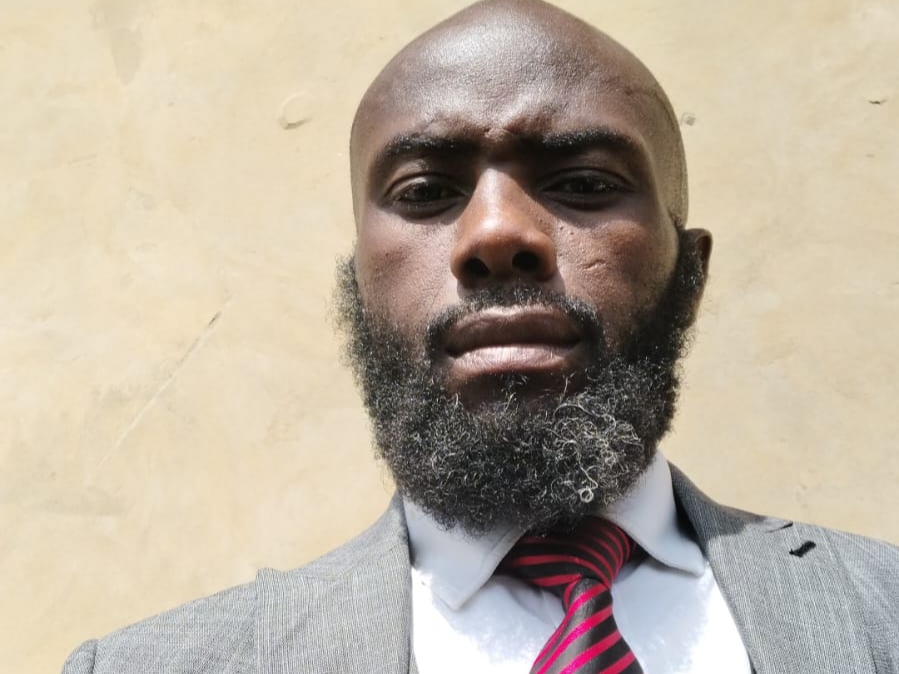
By Omagbemi Sylvester
Across Nigeria today, many citizens are beginning to ask painful questions about the true meaning of democracy.
Despite over two decades of civilian rule, millions still battle hunger, unemployment, insecurity, corruption, and poor governance. For many struggling families, yesterday now appears better than today.
Democracy was expected to bring accountability, development, justice, and prosperity, yet public frustration continues to rise as insecurity spreads and economic hardship deepens.
From kidnappings to inflation and collapsing public services, many Nigerians feel disconnected from the promises repeatedly made during elections.
Former South African President Nelson Mandela once said, “A nation should not be judged by how it treats its highest citizens, but its lowest ones.” Sadly, many ordinary Nigerians believe they have been abandoned by the political elite.
Similarly, Ghana’s former President Jerry Rawlings warned that “democracy without accountability becomes organised hypocrisy.” That statement strongly reflects the mood of many citizens today.
Yet, despite the disappointment, democracy itself is not the enemy. The real crisis lies in leadership failure, weak institutions, and the absence of responsible governance.
Nigerians are not losing faith in democracy alone; they are losing faith in those entrusted to protect it.


Leave a Reply