
By Opeyemi Adelakun
The Presidency will today, Thursday, August 13, close the window for Nigerians to submit their views on the proposed National Policing Bill, a major component of ongoing efforts to reform the country’s policing system.
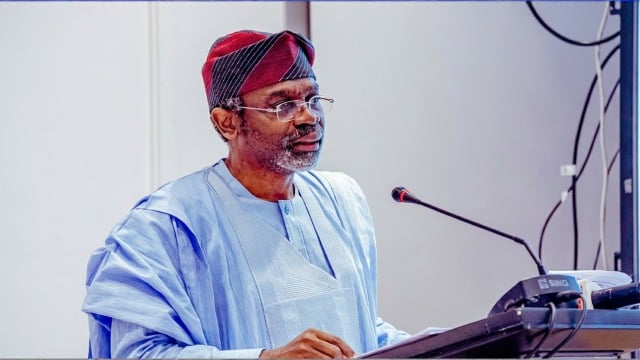
The Chief of Staff to the President and Chairman of the Presidential Working Group on the National Policing Bill, Femi Gbajabiamila, announced the 5pm deadline on Wednesday, urging citizens, professionals and other stakeholders to take advantage of the final opportunity to contribute to the proposed framework.
The consultation is expected to help the government identify practical safeguards for a decentralised policing structure, particularly in areas such as political interference, police misconduct, independent oversight and intelligence-sharing between federal and state forces.
Gbajabiamila stressed that the public consultation would not take away the constitutional responsibility of the National Assembly to examine and determine the fate of the proposed legislation.
He said the debate over state police should not be reduced to choosing between bringing security closer to local communities and protecting citizens from political abuse.
“For too long, the debate has been framed as a choice between effective local policing and protection from political abuse. Nigeria needs both,” he said.
According to him, a properly structured state police system could improve local intelligence gathering and response to security threats, provided it operates within clearly defined national standards and independent oversight mechanisms.
“We can bring policing closer to the people while building strong national standards, independent oversight and firm safeguards for every citizen. The time to fix policing in Nigeria is now, and we must see the work through,” he stated.
A major concern surrounding state police is the possibility of political authorities exerting undue influence over officers.
Gbajabiamila acknowledged that the closeness of state police to state governments could create opportunities for abuse if adequate safeguards were not built into the system.
He said the proposed law must prevent state police from being deployed against political opponents, minority groups, journalists, peaceful protesters or other citizens.
“But proximity does not guarantee justice. The concern that governors might use state police against political opponents, minority communities or dissenting voices is serious and must be answered in the design of the law,” he said.
He further argued that police officers should be able to reject unlawful directives and that allegations of misconduct should be subjected to credible investigation.
“The law must protect citizens regardless of who holds office. It must protect opposition parties, peaceful protesters, journalists and minority communities,” Gbajabiamila added.
Despite the progress being made on the proposed National Policing Bill, Gbajabiamila clarified that state police cannot be established immediately.
He explained that Section 214 of the Constitution currently provides for the Nigeria Police Force, meaning a constitutional amendment is required before states can establish separate police services.
The two chambers of the National Assembly have approved proposed amendments providing for Federal Police Service and State Police Services, but the constitutional process is yet to be completed.
The amendments must still go through the state Houses of Assembly, where approval from at least 24 of the 36 states is required before the proposal can proceed to the President for assent.
Gbajabiamila therefore stressed that state police remains a proposal until the constitutional requirements are fulfilled.
The proposed constitutional change would also not automatically require every state to establish its own police force.
According to Gbajabiamila, any state that decides to create a police service would have to enact its own enabling legislation, establish the required institutions and provide funding.
Such a state would also have to satisfy nationally prescribed conditions before its officers could commence operations.
“Each state that chooses to establish a service will still need its own enabling law, institutions and funding. It must also meet the national conditions for operation before its officers can begin policing,” he said.
States that do not establish their own police services would continue to rely on the Nigeria Police Force.
Bill Targets Common Professional Standards
The proposed National Policing Bill is expected to establish minimum standards that would apply across the country’s policing structure.
Gbajabiamila said the legislation would cover recruitment, vetting, training, remuneration, pensions, equipment and professional conduct.
It would also provide guidelines on the use of force, complaints handling, discipline, independent oversight, intelligence-sharing and cooperation between federal and state police services.
The Presidency revealed that a more locally responsive policing system could enable officers familiar with the language, geography and crime patterns of their communities to gather intelligence more effectively and respond faster to security threats.
However, the success of the proposed reform will depend heavily on the safeguards ultimately written into the law.






Leave a Reply