
By Opeyemi Adelakun
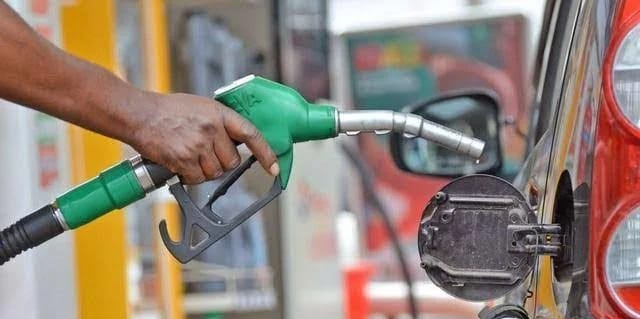
Independent petroleum marketers have projected that the pump price of Premium Motor Spirit (PMS), popularly known as petrol, could fall below N800 per litre if operators are allowed to resume fuel importation and market competition is fully strengthened.
The position emerged on Monday as the Federal Government convened a high-level meeting with key stakeholders in the downstream petroleum sector to address concerns over the slow decline in petrol prices despite the sharp drop in international crude oil prices.
The meeting, held at the headquarters of the Nigerian Midstream and Downstream Petroleum Regulatory Authority (NMDPRA) in Abuja, brought together officials of the Dangote Petroleum Refinery, independent and major marketers, transport operators, depot owners, regulators and other industry players.
Speaking after the meeting, National President of the Independent Petroleum Marketers Association of Nigeria (IPMAN), Abubakar Maigandi, urged the Federal Government to restore import licences to independent marketers while maintaining support for local refining.
He said allowing marketers to source products directly from the Dangote refinery, alongside controlled importation where necessary, would deepen competition and ultimately force prices lower.
According to him, independent marketers have already begun reducing pump prices across the country, noting that further reductions are possible as supply costs continue to ease.
“We are ready to reduce the price even below N800 per litre once market conditions permit. The price depends largely on our purchase cost from depots and local refineries. With direct access to refinery products, Nigerians will soon begin to see the impact,” Maigandi said.
The renewed call comes as consumers continue to demand lower fuel prices following the decline in global crude oil prices after tensions in the Middle East subsided.
Minister of State for Petroleum Resources (Oil), Senator Heineken Lokpobiri, said government was concerned that the current retail price of petrol had not reflected the significant fall in crude oil prices.
He explained that operators were invited to discuss practical measures that would ensure Nigerians benefit from lower international oil prices.
“The concern of government is that petrol prices are yet to properly reflect current crude oil prices. We have made our position clear to the marketers, and they have agreed to return with practical solutions that will help bring down the cost of PMS,” the minister said.
Lokpobiri stressed that while market forces determine prices under deregulation, operators should not continue to enjoy windfall profits from inventories purchased at higher prices after replacement costs had fallen.
He argued that the savings from cheaper crude oil should be passed on to consumers through lower pump prices.
The minister also warned that maintaining artificially high fuel prices could worsen inflation and increase pressure on households and businesses already battling high living costs.
Authority Chief Executive of the NMDPRA, Rabiu Umar, said the meeting was designed to identify the reasons behind the disconnect between declining crude prices and domestic fuel prices.
He recalled that a similar engagement with operators in the liquefied petroleum gas sector recently contributed to lower cooking gas prices, expressing optimism that the same approach could produce results in the petrol market.
According to Umar, deregulation was introduced to promote efficiency, competition and consumer value, not to create opportunities for excessive pricing.
He added that discussions with stakeholders would continue until practical solutions capable of reducing petrol prices were agreed upon.
The outcome of the talks is expected to shape the next phase of pricing in Nigeria’s deregulated downstream petroleum sector as government intensifies efforts to ease the burden of high fuel costs on consumers.




Leave a Reply