

By George Omagbemi Sylvester
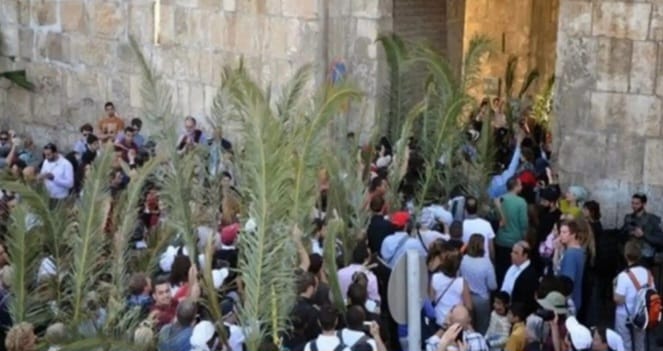
Israeli police sparked an international outcry by barring Cardinal Pierbattista Pizzaballa, the Latin Patriarch of Jerusalem, and Father Francesco Ielpo, the Custos of the Holy Land, from entering the Church of the Holy Sepulchre in Jerusalem on Sunday, March 29, 2026, Palm Sunday; a key Christian feast marking the start of Holy Week. For the first time in centuries, senior Catholic leaders were prevented from celebrating a Palm Sunday Mass at one of Christianity’s most sacred sites.
Israeli authorities said the move was driven by security concerns linked to the ongoing Middle East war sparked by the U.S.–Israel conflict with Iran, which has put Jerusalem under recurrent missile threats and prompted strict limits on gatherings at holy sites. The measures (affecting not only Christians but also other faith communities) were justified as precautions to protect worshippers.
The incident drew widespread international condemnation. Governments and religious leaders, including officials in France, Italy, and Lebanon, criticized the restriction as disproportionate and a threat to freedom of worship and the historic Status Quo governing access to Jerusalem’s holy places.
Although Israeli authorities indicated plans to restore access later in Holy Week, the episode underscored how security imperatives and conflict dynamics are now profoundly disrupting centuries‑old religious traditions in the Holy City; intensifying tensions at a moment when millions of Christians globally mark the most sacred season of their calendar.






Leave a Reply