
By Paul Joseph
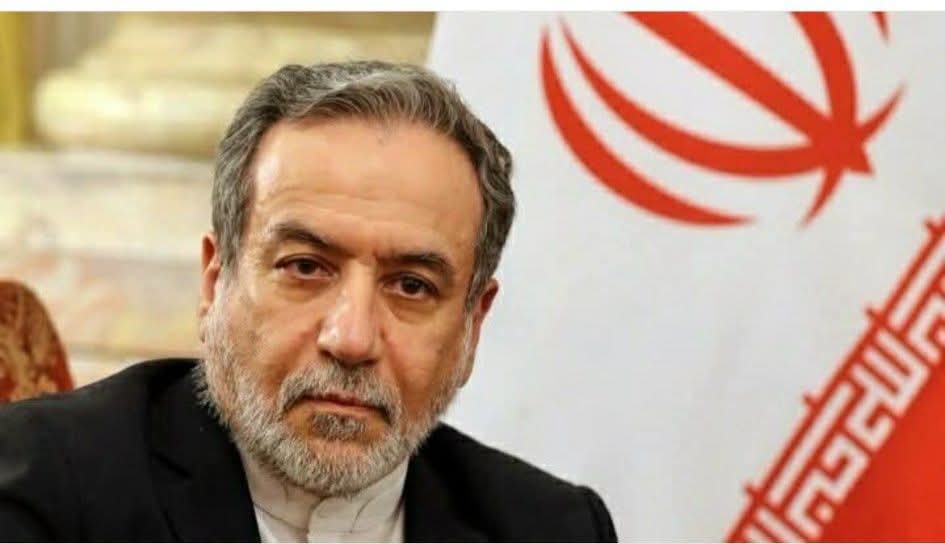
Iranian Foreign Minister Abbas Araghchi has said Tehran should continue pursuing negotiations with the United States even if the chances of success are as low as 10 percent, signalling that diplomatic engagement remains an option despite deep mistrust between the two countries.
Araghchi’s remarks come amid renewed tensions involving Iran, the United States and Israel following disagreements over the implementation of a ceasefire framework.
While expressing support for diplomacy, the Iranian foreign minister stressed that confidence in Washington remains low, accusing the United States of undermining previous negotiations.
He maintained that Iran would only engage in meaningful talks if the US demonstrated genuine commitment to reaching an agreement and honoured its obligations, arguing that American military actions during earlier negotiations had damaged trust.
The comments followed a warning from Iran’s Supreme Leader, Mojtaba Khamenei, who accused the United States of violating the ceasefire framework and cautioned Washington against further military action.
Speaking in a statement carried by Iranian state media, Khamenei said the United States would face “unforgettable lessons” for attacking Iran despite efforts to end hostilities through a negotiated framework.
He also criticised the US leadership, alleging that Washington had once again shown that its commitments could not be relied upon.
Meanwhile, Israeli Defence Minister Israel Katz warned that Israel would respond decisively to any attack launched by Iran after Israeli and Jordanian forces intercepted an Iranian missile reportedly fired toward the Jordanian city of Aqaba.
“If Iran fires missiles at Israel, we will attack them with full force,” Katz said during a visit to a rescue service facility, adding that Israel remained prepared for both defensive and offensive operations if circumstances required.
The latest exchange of warnings underscores the fragile security situation in the Middle East, even as Tehran continues to signal its willingness to keep diplomatic channels with Washington open despite significant political and military tensions.





Leave a Reply