
By Gloria Drealomalicha
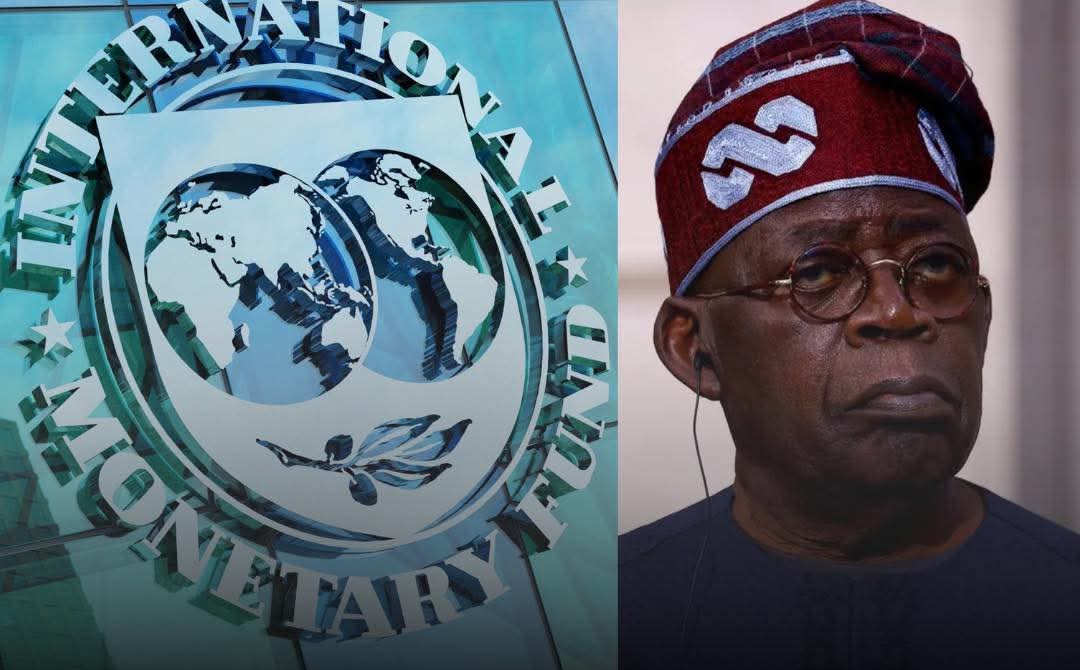
The International Monetary Fund (IMF) has advised Nigeria to consider introducing new taxes on fuel products and telecommunications services as part of broader efforts to increase government revenue and support economic development.
The recommendation was contained in the IMF’s 2026 Article IV Consultation Report on Nigeria, which outlined measures the country could adopt to strengthen public finances and fund critical infrastructure projects, social intervention programmes and support for vulnerable citizens.
According to the Washington-based lender, Nigeria may need additional tax reforms to meet its growing fiscal demands. Among the measures proposed are the extension of Value Added Tax (VAT) to fuel products, the introduction of excise duties on telecommunications services, an increase in the VAT rate and a review of existing tax exemptions and customs duty waivers.
“Further tax policy changes will likely be needed, including extending VAT to fuel products and introducing telecom excises,” the IMF stated in the report.
However, the Fund cautioned that any new tax measures should be implemented carefully to avoid worsening the hardship already faced by millions of Nigerians. It noted that rising poverty levels and food insecurity remain major concerns, stressing the need for adequate social protection before additional taxes are introduced.
“The timing of reforms must consider the poverty and food insecurity situation and ensure that the cash transfer system is in place and funded,” the report added.
The recommendations are likely to trigger fresh debate among Nigerians already grappling with high living costs following recent economic reforms, including the removal of petrol subsidies.
Telecommunications operators have repeatedly warned that additional taxes on the sector could lead to higher call and data charges for consumers. Labour unions and business groups have also opposed fuel-related taxes, arguing that they could further increase transport costs and push food prices even higher.
Despite these concerns, the IMF argued that the proposed measures could significantly improve government revenue. The Fund estimated that the tax reforms could generate an additional 3.9 per cent of Nigeria’s Gross Domestic Product (GDP) over the next three years, while improved tax administration and compliance measures could contribute a further 3.1 per cent.
It also projected that, even after accounting for tax relief measures designed to support households and small businesses, the overall package of reforms could raise government revenue by 4.6 per cent of GDP in the medium term.
The IMF maintained that stronger domestic revenue generation remains essential for Nigeria as the country continues to navigate fiscal pressures and implement economic reforms aimed at stabilising the economy and promoting long-term growth.






Leave a Reply