
By George Omagbemi
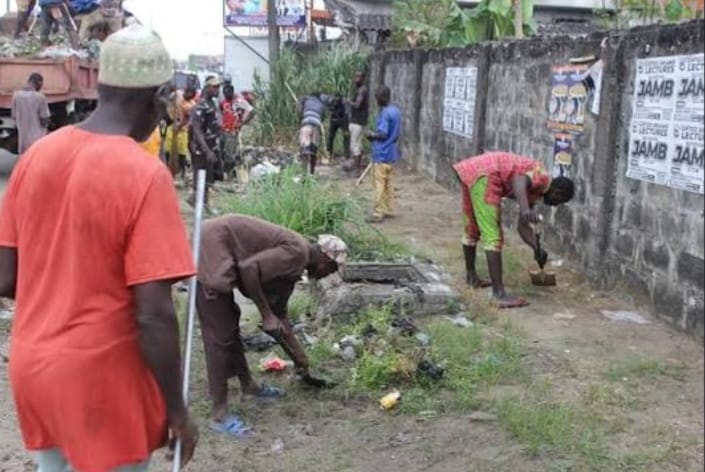
As Delta State observes its monthly environmental sanitation exercise today, Saturday, September 26, 2026, residents across Warri are cleaning streets, compounds, drainage channels and business premises.
But after the sweeping, gathering and bagging of refuse comes a question that government must answer:
Where exactly should residents take the waste?
It is easy to tell citizens to keep their surroundings clean. But cleanliness cannot end at the doorstep. Once refuse is gathered, there must be accessible, approved and properly managed facilities for disposal and evacuation.
Warri’s problem is therefore bigger than residents dumping refuse indiscriminately. Delta State’s 2025 audit of waste management identified major infrastructure gaps, including inadequate dumpsite capacity and the absence of properly engineered sanitary landfills. The audit listed only four temporary dumpsites across the state, including one serving the Warri area.
This creates a troubling cycle: clean today, dump tomorrow, clean again next month.
Residents have a responsibility not to throw refuse into drains, roads or undeveloped plots. But government equally has a responsibility to provide the infrastructure that makes responsible disposal possible.
Warri needs more than periodic sanitation exercises. It needs regular waste collection, accessible disposal points, functional dumpsites, effective enforcement and sustainable waste-management infrastructure.
The real question is not whether Warri should clean.
It should.
The question is: after Warri cleans, where does the waste go?
Until that question is answered with practical solutions, environmental sanitation risks remaining a monthly ritual rather than a permanent culture.





Leave a Reply