
By George Omagbemi Sylvester
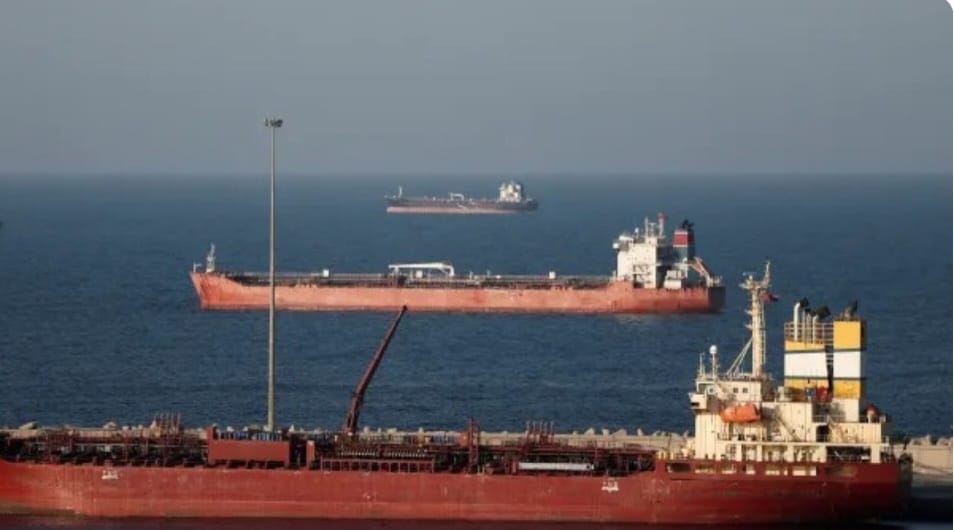
Nigeria may be heading into another wave of economic hardship following Iran’s decision to formalise vessel tolling through the Strait of Hormuz under the newly established Persian Gulf Strait Authority (PGSA), a move already triggering concerns across global shipping and energy markets.
The development gained international attention on May 13, 2026, as importers, maritime operators, and trade experts warned that rising shipping costs and disrupted supply routes could worsen inflation and operational expenses in import-dependent economies like Nigeria.
Reports indicate that vessels transiting the Strait of Hormuz now face additional tolls and security-related charges amid ongoing Middle East tensions.
Industry analysts warned that the crisis could significantly increase the cost of fuel, pharmaceuticals, food imports, machinery, and industrial raw materials entering Nigeria.
Shipping companies have reportedly begun rerouting vessels through longer routes, leading to higher freight charges, insurance premiums, and delayed deliveries.
Although higher crude oil prices could temporarily improve Nigeria’s oil revenue, economists argue that imported inflation and increased transportation costs may outweigh potential gains.
The situation has renewed debate over Nigeria’s dependence on imports and the vulnerability of African economies to geopolitical conflicts far beyond the continent’s borders.






Leave a Reply