
By Paul Joseph
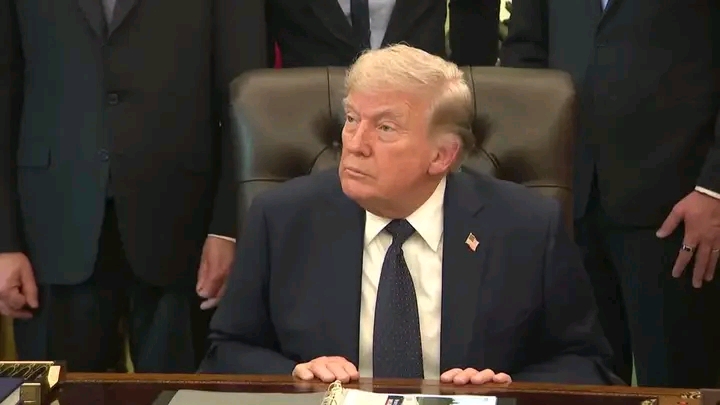
U.S. President Donald J. Trump has claimed that Iran is facing a “state of collapse” and has appealed to the United States to urgently reopen the strategically vital Strait of Hormuz, a key maritime route for global energy supplies.
In a post shared on his social media platform, Trump stated that Iranian authorities had communicated their dire situation to Washington, citing internal leadership struggles and instability within the country.
According to him, Tehran is seeking immediate assistance to restore access through the waterway while it attempts to resolve its political crisis.
However, there has been no official confirmation from Iranian authorities regarding the alleged message, and the White House has not publicly verified Trump’s claim.
The development comes amid escalating tensions between the United States and Iran following weeks of conflict, sanctions, and a naval blockade that has significantly disrupted shipping in the Gulf.
The Strait of Hormuz, through which a substantial portion of the world’s oil supply passes, has been at the center of the standoff, with restricted tanker movement contributing to rising global energy prices and economic uncertainty.
Trump’s remarks also align with earlier assertions that Iran is struggling with internal divisions, including disputes among political factions over leadership direction.
These divisions have reportedly complicated diplomatic efforts and delayed any meaningful resolution to the crisis.
Meanwhile, separate reports indicate that Iran has floated proposals to reopen the strait under certain conditions, including easing pressure on its nuclear program conditions the U.S. has so far resisted.
The situation has drawn concern from global leaders and international organizations, who warn that prolonged instability in the region could further disrupt supply chains, inflate energy costs, and trigger wider economic and humanitarian consequences.
As tensions persist, uncertainty remains over whether diplomatic negotiations can de-escalate the crisis or whether the standoff risks evolving into a prolonged geopolitical conflict with far-reaching global implications.

Leave a Reply