
By Opeyemi Adelakun
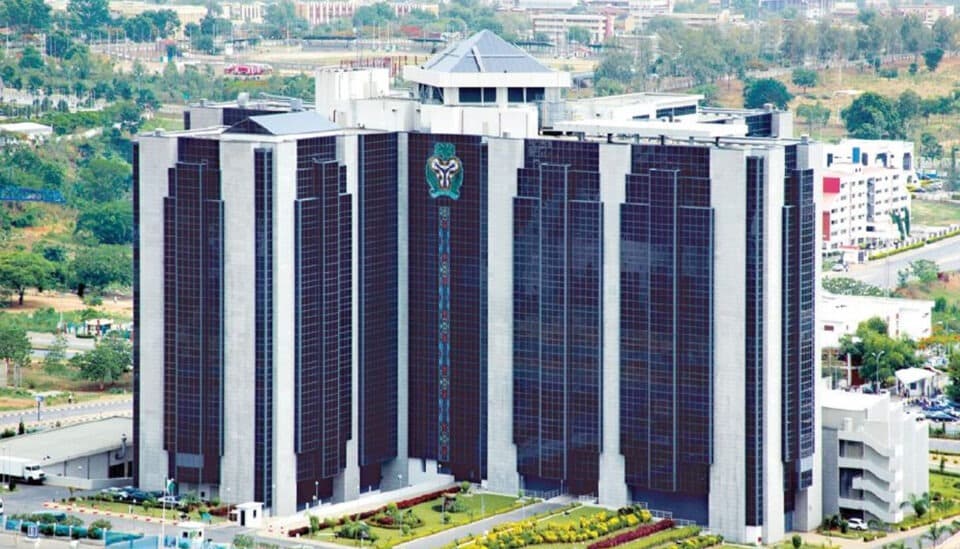
Nigeria’s banking and financial system is coming under tighter regulatory scrutiny as the Central Bank of Nigeria intensifies efforts to block the movement of funds linked to terrorism and other illicit activities.
The CBN announced that it had elevated terrorism-financing supervision to a current supervisory priority, signalling increased attention to the systems financial institutions use to detect, monitor and report potentially illicit transactions.
The announcement was contained in a statement signed by the Acting Director of Corporate Communications and Investor Relations Department, Hakama Sidi-Ali.
According to the apex bank, its enhanced supervisory programme will concentrate on terrorism-financing risk management, transaction monitoring, the implementation of targeted financial sanctions and suspicious-transaction reporting.
The move is aimed at preventing illicit actors from exploiting banks and other regulated financial institutions to move or conceal funds.
The CBN said it would maintain a risk-based approach to supervision, deploying both on-site examinations and off-site engagements to evaluate institutions’ compliance with anti-money laundering, counter-financing of terrorism and counter-proliferation financing requirements.
The regulator stated that the measures would be implemented in accordance with existing legal and regulatory requirements.
The bank said, “This supervisory focus also supports Nigeria’s ongoing domestic and international cooperation on counter-terrorism financing, counter-proliferation financing, financial integrity, and the protection of the financial system.”
It added that further supervisory engagements would be carried out as appropriate.
The latest development comes against the backdrop of continuing efforts by Nigerian authorities to tighten controls around terrorism financing and prevent designated individuals and entities from accessing the formal financial system.
The CBN had earlier directed banks and other financial institutions to immediately freeze accounts, assets and transactions connected to persons and entities designated for terrorism financing following fresh sanctions by Nigerian and United States authorities.
The earlier directive was contained in a circular issued by the CBN’s Compliance Department and addressed to banks, Payment Service Banks and other financial institutions regulated under the Banks and Other Financial Institutions Act 2020.
It followed sanctions issued by the Nigeria Sanctions Committee and the United States Department of the Treasury’s Office of Foreign Assets Control under Executive Order 13224, as amended.
With terrorism-financing supervision now identified as a current priority, financial institutions are expected to strengthen their internal controls and ensure that suspicious activities are promptly detected and reported.





Leave a Reply