
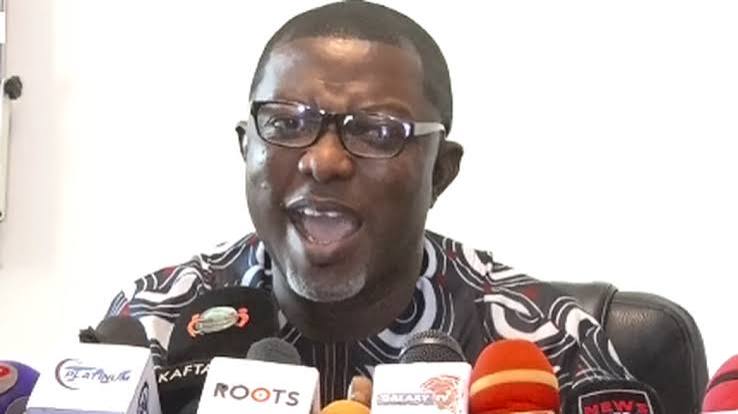
By Ameh Sunday Enyo-ojo
A Labour Party chieftain, Dr Abayomi Arabambi, has described Nigeria’s former petrol subsidy regime as an “organised fraud”, saying its removal was painful for Nigerians but necessary to end what he alleged was widespread misuse of public resources.
Arabambi spoke on Thursday, October 8, 2026, during an interview in Ogun State.
He argued that the subsidy debate should focus not only on whether the policy should be retained or removed but also on how the system was operated and the alleged fraud surrounding petroleum importation and pricing.
“Subsidy should stay because it was a scam,” Arabambi said, alleging that some individuals benefited from a system that imposed additional costs on the country while government borrowed money to fund the subsidy.
He also questioned what happened to other petroleum products derived from Nigerian crude when crude oil was exported for refining.
“A barrel of crude when it is shipped outside… they will come back with only petrol. That is Nigeria. Where are the other components? The kerosene, the cooking gas, the diesel, the bitumen?” he asked.
Arabambi further alleged that questionable products were sometimes imported and presented as petrol, describing the former arrangement as fraudulent.
“We are borrowing money to pay for nothing. We are borrowing money to pay for fraud. So why is it wrong to remove it?” he said.
The Labour Party chieftain also discussed the Dangote Refinery, alleging that vested interests had attempted to bring the facility into arrangements associated with the old petroleum system.
He said the emergence of domestic refining capacity could help reduce Nigeria’s dependence on imported petroleum products if more investors were encouraged to participate in the sector.
Arabambi credited former President Muhammadu Buhari with identifying problems associated with the subsidy system and acknowledged President Bola Tinubu’s decision to remove it.
However, he admitted that the immediate effect was higher fuel prices and increased hardship for Nigerians.
“Nigerians should not forget, when that is done, the actual cost will now come into being, which you know will now come high,” he said.
He argued that increased refining capacity and greater supply could eventually bring prices down.
“When we are now able to stabilise the economy, we have more refineries… when we have supply, what will happen? The cost will come down,” he said.
Arabambi also called for an inquiry into the management of Nigeria’s crude oil, particularly companies involved in lifting crude abroad.
He questioned how other products derived from crude oil were accounted for and urged the government to investigate the arrangements.
“I have expected the President to institute a panel of inquiry — every person, every company that is picking our crude abroad, where is the kerosene? Where are the other components? The asphalt, the petroleum, the diesel… Where are they?” he asked.
He argued that Nigeria should rely less on borrowing and government-funded interventions and instead expand domestic refining, manufacturing and industrial production.
“When you have influx of manufacturing companies, that is when employment will be made available. You cannot sit at home and be expecting palliative,” Arabambi said.
His comments come amid renewed debate over fuel pricing ahead of the 2027 general election, with competing proposals on subsidies, domestic crude supply and petrol prices. Fuel prices have remained a major cost-of-living issue, with recent international oil-price pressures contributing to higher pump prices despite increased domestic refining capacity.
Arabambi maintained that the long-term solution should be increased domestic refining and production, arguing that greater supply and competition could eventually reduce petroleum prices.




Leave a Reply