
By George Omagbemi
Nigeria’s headline inflation rate declined to 14.63 per cent in September 2026, down from 15.39 per cent in August, according to the National Bureau of Statistics (NBS), indicating a further moderation in annual price increases.
The figures, contained in the NBS Consumer Price Index report, represent a decrease of 0.76 percentage points from the previous month. Headline inflation also fell from 20.98 per cent recorded in September 2025.
On a month-on-month basis, headline inflation slowed to 0.06 per cent in September from 0.71 per cent in August, suggesting that the pace of price increases eased considerably during the period.
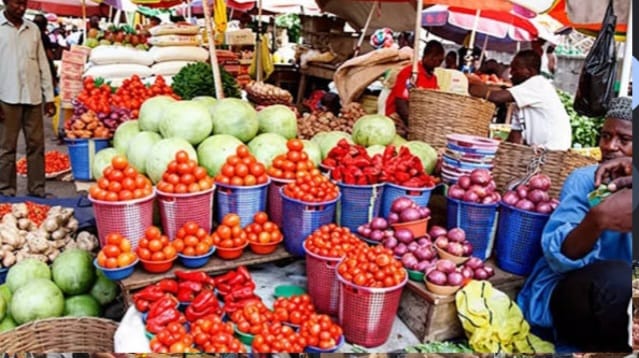
However, food inflation remained a concern for households. The annual food inflation rate stood at 19.59 per cent in September, slightly higher than the 19.57 per cent recorded in August. This indicates that the overall decline in inflation has not translated into a broad reduction in food-price pressures.
The distinction is important because lower inflation does not necessarily mean that goods and services have become cheaper. Rather, it means that prices are increasing more slowly than before.
For millions of Nigerians, the practical effect will depend on whether food, transportation, housing, energy and other essential expenses become more affordable relative to household incomes.
The latest figures provide an important measure of the country’s economic direction, but sustained improvement in living standards will require continued moderation in prices and stronger purchasing power.
As Nigerians respond to persistent cost-of-living pressures, attention will remain on future inflation reports and the extent to which the easing trend translates into meaningful relief for households and businesses.





Leave a Reply