
By George Omagbemi Sylvester
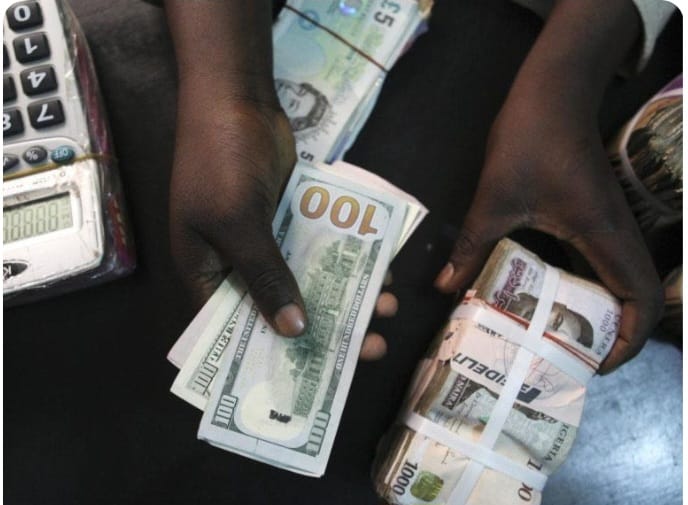
Nigeria’s foreign exchange (FX) traders and parallel market operators are reporting a continued rise in the Dollar to Naira black market exchange rate as of Tuesday, 10 March 2026, with the unofficial Abokifx black market rate averaging ₦1,420 per US$1 (selling) and ₦1,410 per US$1 (buying) across major commercial hubs such as Lagos, Abuja and Kano.
This informal rate reflects the cost outside the Central Bank of Nigeria’s (CBN) official FX windows, where the dollar currently changes hands at roughly ₦1,419.16 per US$1, indicating only a narrow gap between official and parallel markets but sustained pressure on the naira.
The trend results from strong demand for dollars by importers, businesses settling international invoices, and individuals seeking to make foreign payments for travel, education, online subscriptions and medical costs abroad. The limited supply of forex through formal channels has pushed more traders into the informal market, often called the black market or parallel market, where rates are determined by real‑time supply and demand rather than official policy.
Analysts say that recent economic pressures (including balancing import needs with constrained dollar liquidity, higher global oil prices and speculation) are key drivers pushing the parallel rate upward. Nigeria’s reliance on imports and ongoing FX reforms by the CBN also influence daily currency pricing dynamics.
Despite these pressures, the small gap between official and black market rates (a contrast with earlier wider spreads) suggests that central bank liquidity injections and policy interventions have helped moderate extreme volatility, even as underlying demand for foreign currency remains high.
For everyday Nigerians, this black market dollar‑to‑naira movement directly affects the cost of goods, imported services, foreign education fees and travel planning, and is often seen as a more immediate gauge of currency strength than official figures alone. Investors, businesses, and policymakers continue to monitor these rates closely for signals about broader economic stability and currency trends in the coming weeks.






Leave a Reply