
By Opeyemi Adelakun
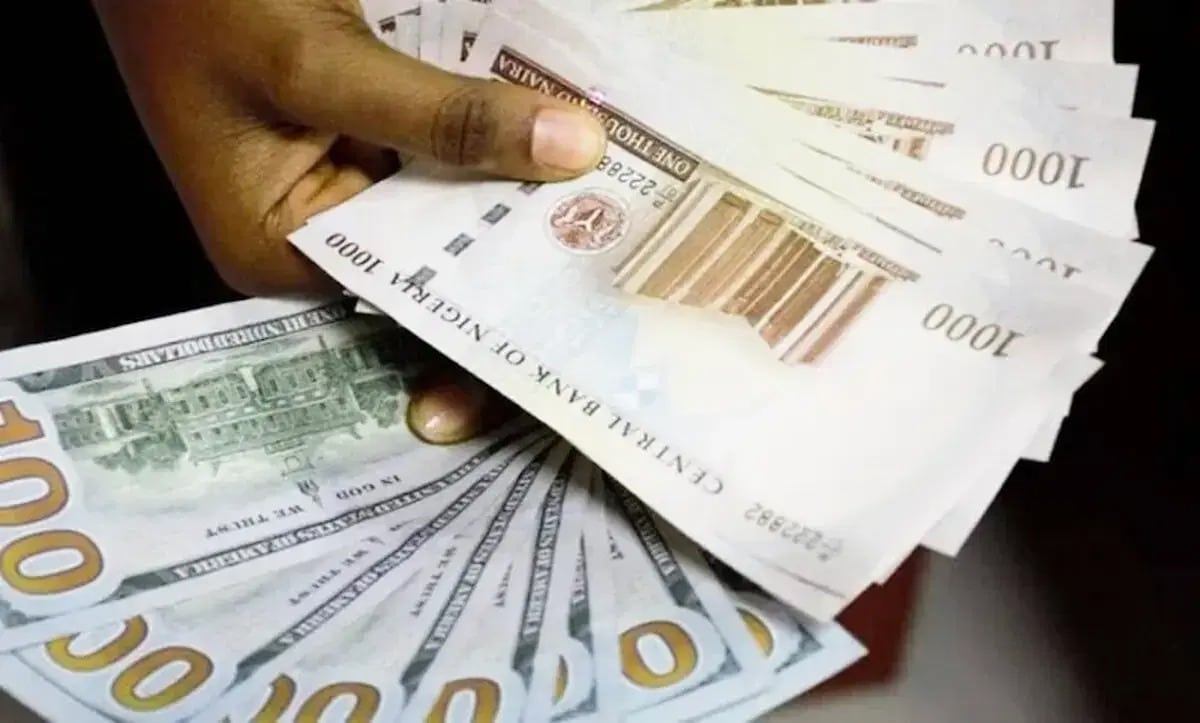
The Nigerian naira continued to trade within a relatively narrow range against the United States dollar on Wednesday, August 12, 2026, with the official foreign exchange market maintaining levels around ₦1,360 to the dollar.
Recent data from the Central Bank of Nigeria’s Nigerian Foreign Exchange Market showed the naira trading around the mid-₦1,360 range. The CBN explains that the NFEM rate is derived from the volume-weighted average of transactions conducted in the official market and serves as the benchmark exchange rate for the day.
The movement indicates continued consolidation after months of sharp volatility in the foreign exchange market.
At the parallel market, however, the dollar remained more expensive. Recent market-rate trackers placed dollar buying and selling levels around the ₦1,415–₦1,430 range, although actual street prices may vary depending on location, transaction size and market conditions.
The difference between the official and parallel markets means Nigerians sourcing dollars outside the formal system continue to pay a premium.
The relative calm in the currency market comes amid continued efforts by the Central Bank of Nigeria to improve dollar liquidity and reduce pressure on the naira.
Reuters reported last week that the naira was expected to remain broadly stable, supported by central bank dollar interventions. The report put the official rate around ₦1,360/$ and the street rate at about ₦1,425/$, highlighting the relatively stable outlook for the currency.
The development marks a significant shift from periods when the gap between official and parallel-market rates widened considerably, creating uncertainty for importers, businesses and individuals with foreign-currency obligations.
Market participants continue to watch dollar supply, demand from importers and businesses, foreign capital inflows and the CBN’s intervention activities as key factors likely to influence the naira’s direction.
Proshare’s exchange-rate dashboard for Wednesday, August 12, also showed continued focus on the naira’s recent performance, including its strengthening around the ₦1,368/$ level in July following increased CBN foreign-exchange sales.
At an exchange rate of ₦1,364/$, $100 is equivalent to approximately ₦136,400, while $1,000 is worth about ₦1.364 million.
At a parallel-market rate of ₦1,415/$, the same $100 would cost about ₦141,500, while $1,000 would be approximately ₦1.415 million.
The difference becomes more significant for Nigerians paying international school fees, importing goods, funding overseas medical treatment, travelling abroad or making other foreign-currency payments.
For now, the naira’s movement around the ₦1,360 official range suggests a period of relative stability rather than the sharp swings witnessed during earlier stages of Nigeria’s foreign-exchange reforms.






Leave a Reply