
By Gloria Drealomalicha
While Nigeria and much of the world are counting 2026, millions of people in other parts of the world are using completely different numbers to describe the very same year.
It sounds like something out of a time-travel movie.
In Ethiopia, it is 2019.
In Iran and Afghanistan, it is 1405.
In Nepal, the calendar reads 2083.
And in Thailand, the year is 2569.
Yet none of these countries has travelled into the past or jumped into the future.
They are all living through the same moment as the rest of us.
The difference is in how they measure and number time.
The Gregorian calendar, which puts the world in 2026, is the most widely used civil calendar internationally. But it is far from the only calendar still in use.
For centuries, societies developed their own systems for measuring years, often shaped by religion, astronomy, history, culture and political events. Some of these systems remain part of official or everyday life today.
Here are seven countries that can leave anyone wondering what year it really is.
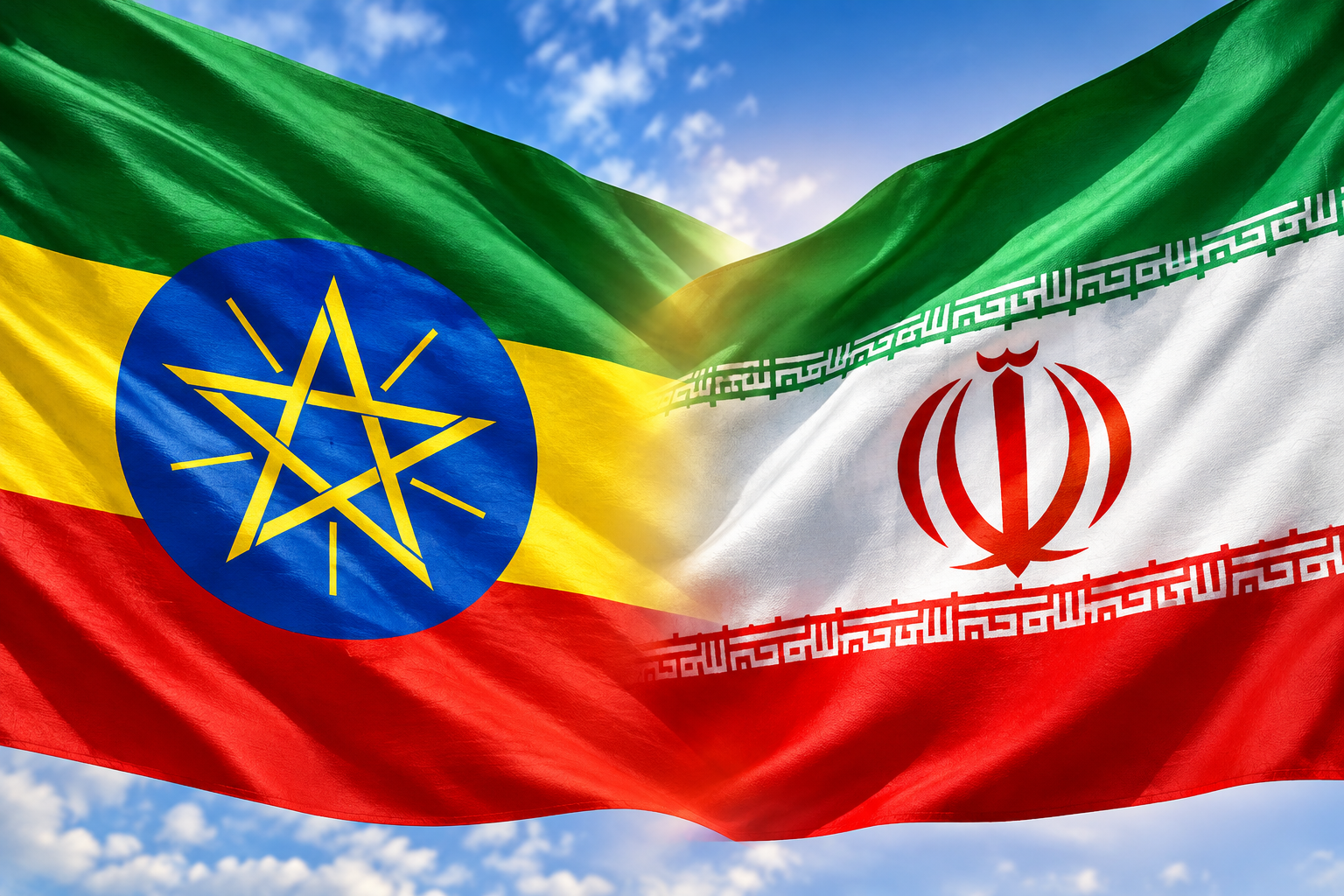
Ethiopia — 2019
For Nigerians celebrating 2026, Ethiopia’s 2019 can be particularly startling.
Ethiopia follows its own calendar, which is roughly seven to eight years behind the Gregorian calendar.
The Ethiopian calendar contains 13 months — 12 months of 30 days each and a short 13th month known as Pagume.
Its New Year, Enkutatash, is celebrated in September.
So, while Nigerians are looking ahead to the final months of 2026, Ethiopians have just welcomed 2019.
But there is no time difference involved. The date is simply being expressed through another calendar system.
Iran — 1405
Travel to Iran and the number on the calendar changes dramatically.
Iran officially uses the Solar Hijri calendar, under which the country is currently in 1405.
The calendar is closely linked to the history of Islam and begins from the migration of Prophet Muhammad from Mecca to Medina.
Unlike the Gregorian calendar, which begins a new year on January 1, the Iranian New Year, Nowruz, begins around the spring equinox.
That means an Iranian calendar can show 1405 while a Nigerian calendar shows 2026 — even though both are referring to the same day.
Afghanistan — 1405
Afghanistan also uses the Solar Hijri calendar, making the year 1405.
The calendar remains important in the country’s official and cultural life, although Gregorian dates are also encountered, particularly in international dealings.
Its New Year also arrives in March with the beginning of spring.
Nepal — 2083
Nepal takes the numbers in the opposite direction.
Under the Bikram Sambat calendar, the country is in 2083.
That number may make it look as though Nepal is nearly 60 years ahead of Nigeria.
It isn’t.
The difference comes from where the two calendars begin counting their years.
Nepali New Year generally falls in April, meaning January 1 does not mark the beginning of the Nepali calendar year.
Thailand — 2569
Thailand may produce the biggest shock of all.
The country commonly uses the Buddhist Era calendar, which puts 2026 at 2569.
The system’s year numbering is 543 years ahead of the Gregorian calendar.
But once again, Thailand is not living hundreds of years in the future.
The number simply reflects a different historical starting point.
Gregorian dates are also widely used in Thailand, particularly for international and commercial purposes.
Taiwan — 115
In Taiwan, you may encounter another unfamiliar number: 115.
Taiwan commonly uses the Minguo calendar, which counts from 1912, the year the Republic of China was established.
That makes 2026 Minguo year 115.
The Gregorian calendar is also widely used, particularly in international contexts.
Japan — Reiwa 8
Japan adds another fascinating twist.
The country uses the Gregorian calendar extensively, but it also has a traditional era system based on the reign of the emperor.
The current era is Reiwa, which began in 2019 when Emperor Naruhito ascended the throne.
Therefore, 2026 is Reiwa 8.
Japanese official documents can therefore show a year such as Reiwa 8 alongside the corresponding Gregorian date.
So, what year is it really?
Here is the fascinating part: all of these countries are in the same year physically.
There is no country where people are actually living in 2019 while others are living in 2026.
The Earth is following the same orbit. The seasons are changing at the same time. People are ageing at the same rate.
What changes is the calendar used to describe the passage of time.
For Nigerians, 2026 is the familiar number because Nigeria, like most countries, uses the Gregorian calendar for civil purposes.
But Ethiopia’s 2019, Iran’s 1405, Nepal’s 2083 and Thailand’s 2569 are reminders that the way humans organise time is not universal.
And perhaps that is what makes calendars so fascinating.
One world. One present. Different ways of counting the years.
So the next time someone tells you, “It is 2026,” you might want to ask:






Leave a Reply