

By George Omagbemi
Nigeria’s electricity supply crisis has worsened following a decline in power generation caused by inadequate gas supplies to thermal power stations and reduced output from hydroelectric plants.
The Nigerian Independent System Operator (NISO) disclosed this on Thursday, November 5, 2026, in a statement explaining the factors behind the drop in electricity generation across the national grid.
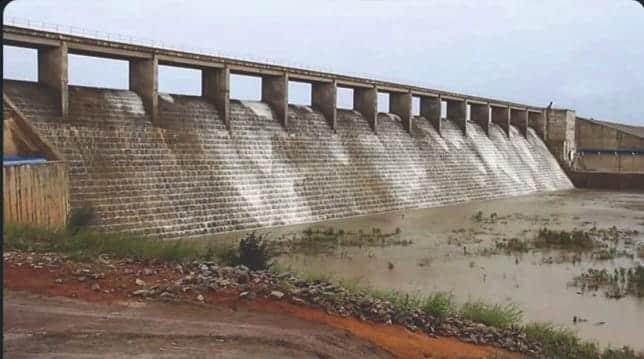
According to the operator, limited gas availability has prevented affected thermal power stations from operating at their available capacity, while reduced water inflows into reservoirs have constrained electricity production from hydroelectric facilities.
NISO said the combined challenges had reduced the volume of electricity available for distribution companies (DisCos), forcing them to cut supply hours and increase load shedding across their networks.
It added that the extent of the disruption varies among distribution networks, depending on available generation and the electricity allocations received by individual DisCos.
The development has increased pressure on households and businesses already struggling with unreliable electricity, particularly as many depend on public power supply for refrigeration, manufacturing, water pumping and other essential activities.
Businesses forced to rely on petrol and diesel generators may also face higher operating costs.
Acknowledging the difficulties confronting consumers nationwide, NISO said it was working to maintain grid stability and optimise available generation.
The operator also identified diversification of Nigeria’s energy mix as part of efforts to strengthen electricity supply security.
However, it did not provide a timeline for when generation and supply would improve.






Leave a Reply