
By Gloria Drealomalicha
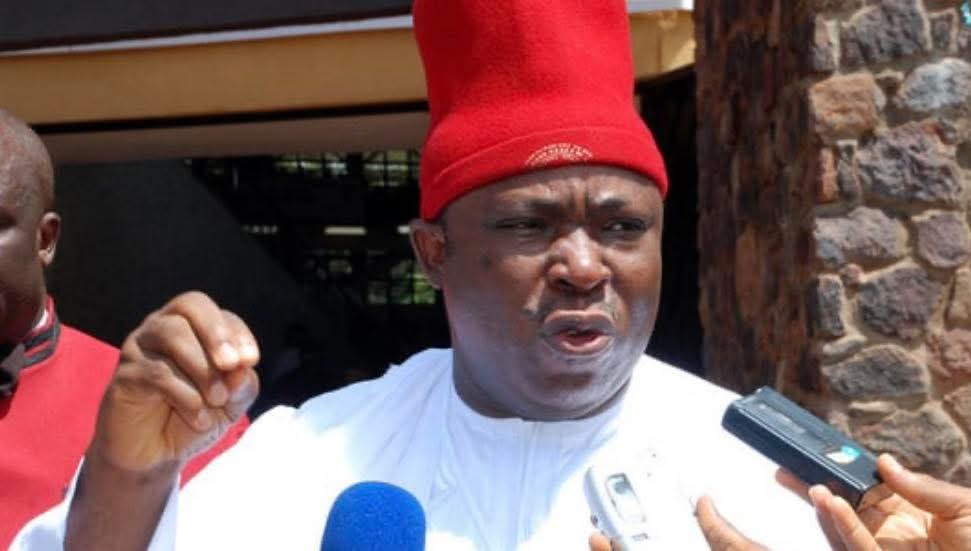
Senator Victor Umeh of Anambra Central has defended the provision of official vehicles for lawmakers, arguing that such resources are essential for the effective discharge of legislative duties.
Speaking during an appearance on AIT’s Political Platform, the senator pushed back against growing criticism of benefits enjoyed by members of the National Assembly, insisting that public office holders should be adequately equipped to carry out their responsibilities.
Umeh questioned why lawmakers were frequently singled out over official perks, noting that officials in the executive arm of government also operate with government-provided vehicles.
“Why won’t I get a vehicle for performing official functions? Are you not seeing people in the executive arm of government having fleets of vehicles?” he asked.
The senator maintained that each lawmaker is entitled to only one official vehicle and argued that expecting senators to work without such support was unrealistic.
“If the only way Nigeria can be good is for senators to be trekking to work, well, I don’t think we’re being serious,” he said.
Addressing a recent court ruling secured by the Socio-Economic Rights and Accountability Project (SERAP) against planned vehicle procurement and allowances for lawmakers, Umeh suggested that the organisation should take responsibility for enforcing the judgment.
“SERAP should go and execute the judgment,” he stated.
He also dismissed longstanding claims of excessive remuneration within the National Assembly, stressing that the legislature’s finances are subject to auditing and public scrutiny. According to him, allegations of “jumbo pay” should be verified through the appropriate auditing authorities rather than being accepted at face value.
The senator’s remarks come amid continued public debate over the cost of governance in Nigeria. The controversy intensified following a Federal High Court ruling in Lagos that nullified a proposed N40 billion vehicle procurement scheme for lawmakers, as well as N70 billion earmarked for allowances.
The court held that the planned expenditures were unlawful, citing violations of procurement regulations and concerns over public trust. The judgment has since fuelled renewed discussions about accountability, transparency and government spending at a time when many Nigerians are grappling with economic hardship.





Leave a Reply