
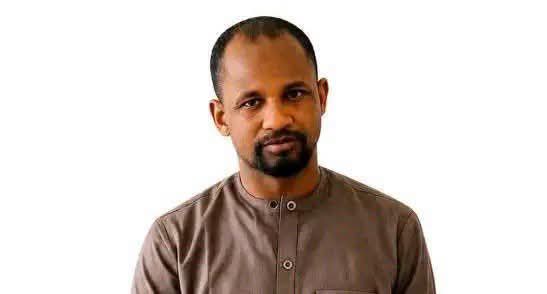
By Abdulqadir Muhammad Alhaji
The release of Nura Idris, a Kaduna farmer previously detained by the Department of State Services (DSS) over alleged links to Boko Haram, has reignited public debate on due process, prolonged detention and the protection of constitutional rights in Nigeria.
Idris was reportedly arrested in Suleja, Niger State, in 2024 on suspicion of involvement with terrorist groups and later transferred to the DSS for further investigation. However, following a review of his case, the security agency reportedly found no evidence linking him to terrorism, leading to his release. The DSS Director-General, Oluwatosin Adeola Ajayi, also approved N3 million in support to assist him in rebuilding his livelihood.
The development has drawn renewed attention to the handling of detention cases in the country, particularly in relation to individuals whose cases remain unresolved for extended periods. Analysts say the outcome underscores the need for regular case reviews and strict adherence to due process within the justice and security systems.
The case has also revived discussions surrounding previous detentions of activist and former presidential candidate Omoyele Sowore, whose arrests over the years have generated criticism from civil society organisations and human rights groups. Observers argue that differing experiences of detainees continue to raise questions about consistency, transparency and fairness in the administration of justice.
Human rights advocates maintain that regardless of the nature of allegations, every citizen is entitled to fair hearing, speedy trial and protection under the law. Reports that the DSS is reviewing long-standing detention cases, with several detainees reportedly released and compensated, have been welcomed by some stakeholders as a positive step toward strengthening public confidence in state institutions.
Analysts, however, stress that sustaining public trust will depend largely on ensuring that such reviews are conducted transparently and in full compliance with the rule of law, even as Nigeria continues to confront complex security challenges.


Leave a Reply