

By Paul Joseph
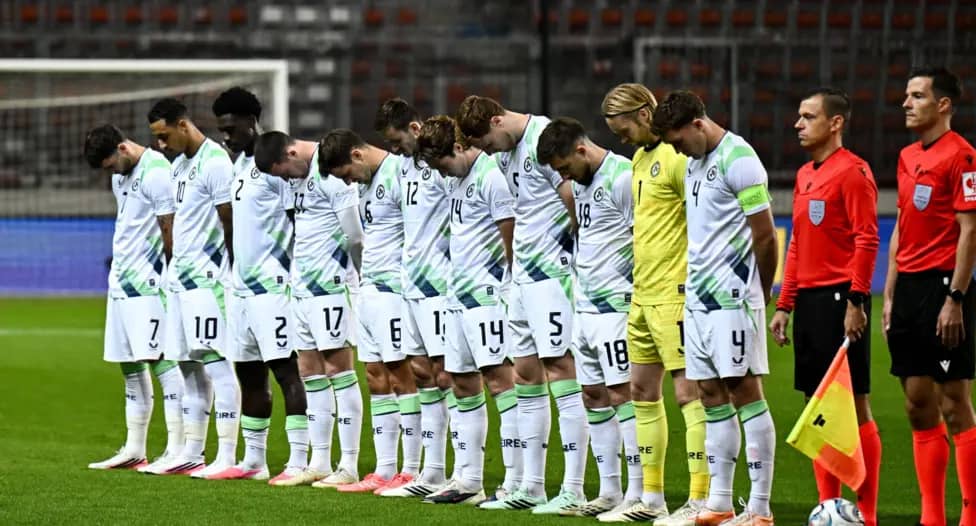
UEFA and its 55 member associations have united against FIFA’s proposed private investment model, warning that European nations could boycott FIFA competitions if the plan to sell stakes in major tournaments is approved.
The position was adopted during an emergency virtual meeting chaired by UEFA President Aleksander Čeferin on Thursday, July 30, 2026, following growing opposition to FIFA President Gianni Infantino’s plans to commercialise the governing body’s flagship competitions.
UEFA said it was firmly opposed to transferring ownership interests in the World Cup and other FIFA tournaments to private investors, arguing that the competitions belong to football and its worldwide community.
“The World Cup cannot be treated as an investment product,” UEFA declared, describing the tournament as a sporting legacy built over generations by players, national teams and supporters across the globe.
The threatened boycott would cover FIFA’s major competitions, including the men’s and women’s World Cups and the Club World Cup.
The first potential test of the standoff could come in October, when the Women’s World Cup play-offs are scheduled to take place.
At the centre of the dispute is FIFA’s proposal to establish a commercial subsidiary, FIFA Forward Enterprise (FFE), which would oversee major competitions while allowing outside investors to acquire minority, non-controlling stakes.
Infantino has reportedly offered FIFA’s 211 member associations $40 million each for backing the proposal.
Associations that accept the offer by September 19 would be eligible for an initial $20 million payment, while FIFA hopes to secure the first tranche of private investment by the end of October.
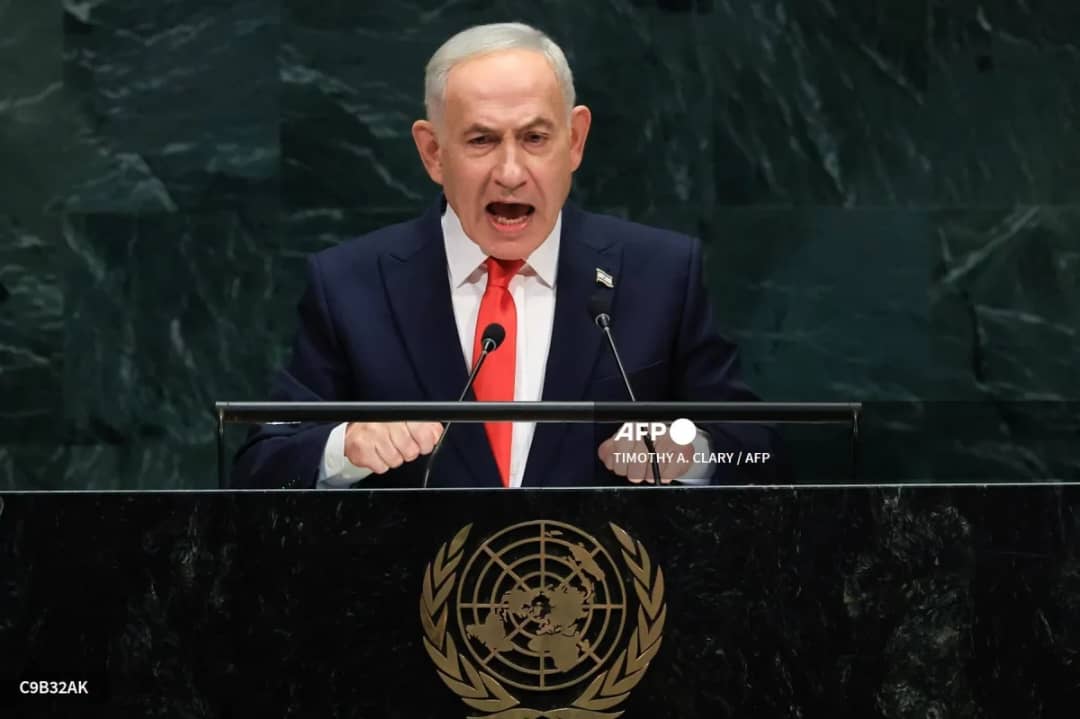
Infantino has defended the proposal, describing it as an “offer, not an obligation.”
US venture capital firm Thrive Capital, founded by Joshua Kushner, is expected to lead the proposed investor group if the plan receives the required approval.
UEFA has sharply criticised the manner in which the proposal was introduced, accusing FIFA of failing to meaningfully consult the national associations responsible for running the game.
The European body described the proposal as irresponsible and warned that transferring interests in FIFA’s most prestigious competitions to private investors could have serious long-term consequences for football.
UEFA Vice-President Laura McAllister described the plan as a “genuine existential threat to the game”, although she expressed hope that the dispute would not eventually result in a boycott.
England and Scotland have both backed UEFA’s position.
The Football Association said England stood “shoulder to shoulder” with its European counterparts, while the Scottish FA criticised FIFA over the manner in which the proposal and its deadlines were presented.
UK Culture Secretary Lisa Nandy also supported UEFA, arguing that football should remain accountable to its supporters rather than billionaire investors.
UEFA’s threat carries enormous sporting and commercial implications for FIFA because Europe is home to many of the world’s most successful and financially powerful football nations.
Six of the eight quarter-finalists at the 2026 men’s World Cup were European, with Spain eventually lifting the trophy.
European nations have also won 13 of the 23 World Cups staged to date, while South American countries account for the remaining 10 titles.
A withdrawal by leading European nations could therefore severely damage FIFA’s competitions and undermine the commercial value of the proposed investment strategy.
Former Football Association chairman David Bernstein has urged FIFA to reconsider the plan, arguing that alternative methods of raising capital could be explored without exposing the ownership of major competitions to private investors.
He also warned that a permanent split between FIFA and UEFA would be damaging to both sides.
FIFA has yet to issue a formal response to UEFA’s latest declaration, leaving the next stage of the dispute uncertain.
Questions also remain over the potential impact on competitions scheduled around FIFA’s September deadline, including the Women’s Under-20 World Cup in Poland, which is due to begin on September 5.
The confrontation has already drawn comparisons with the European Super League crisis, with critics fearing that private investment could encourage FIFA to expand the size and frequency of its competitions in pursuit of greater commercial returns.
Such a development could further congest the international football calendar and place additional pressure on domestic competitions.
The dispute now represents one of the most serious governance battles in world football in recent years.
With UEFA putting a potential boycott on the table, Infantino faces a difficult choice between pushing ahead with his investment strategy and seeking a compromise capable of preventing a major split in international football.


Leave a Reply