
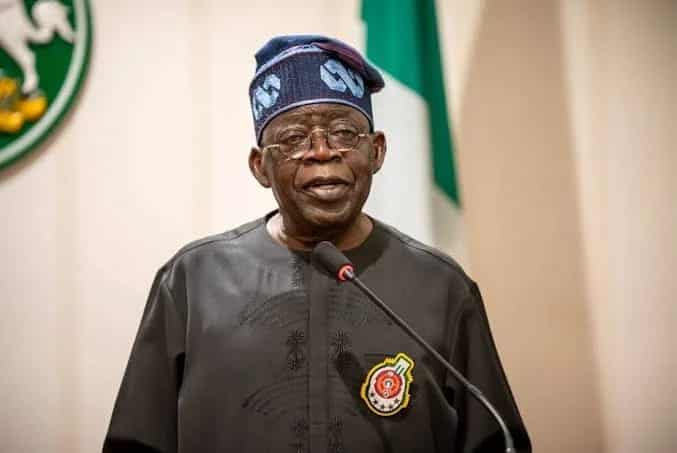
By Opeyemi Adelakun
President Bola Tinubu has announced plans to more than double Nigeria’s estimated $32bn annual economic contribution from livestock as the Federal Government seeks to transform the sector into a major hub for production and processing in Africa.
Tinubu disclosed this on Monday in Abuja at the opening of the 9th All Africa Conference on Animal Agriculture, themed, “Repositioning Animal Agriculture for Africa’s Agricultural Food Security and Global Competitiveness.”
Represented by the Secretary to the Government of the Federation, George Akume, the President said the administration was committed to moving livestock production beyond subsistence and cultural practices towards a modern, technology-driven and commercially competitive industry.
“Our national strategy aims to more than double the sector’s economic contributions to position Nigeria as a leading hub for livestock production and processing in Africa,” Tinubu said.
According to him, Nigeria has one of Africa’s largest livestock populations, comprising more than 58 million cattle, 64 million sheep, 124 million goats and 660 million poultry.
He said the sector contributes more than $32bn annually to the national economy and remains important to agricultural production, food security and rural development.
Tinubu said the establishment of the Federal Ministry of Livestock Development in July 2024 was a major step towards achieving the administration’s livestock transformation agenda.
He described the creation of the ministry as a “historic decision”, saying it reflected the government’s determination to develop livestock production into a globally competitive industry.
The President said institutional reforms based on recommendations of the Presidential Committee on Livestock Reforms had also been approved to improve governance, productivity and sustainable livestock production.
He added that the National Livestock Growth Acceleration Strategy was being implemented to increase productivity, strengthen value chains, improve animal health services and expand commercial feed production.
The strategy, he said, would also promote improved livestock genetics, climate-smart production systems and peacebuilding, while positioning Nigeria as a regional destination for livestock investment and exports.
Tinubu said the government was promoting ranching and other modern production systems to improve productivity and reduce conflicts associated with traditional livestock practices.
He added that the administration was strengthening animal breeding, veterinary services, disease surveillance, feed production and animal health systems, while encouraging investment in dairy, meat processing, leather, feed milling and related infrastructure.
On employment, the President said the livestock industry had the potential to provide significant opportunities for Nigeria’s growing youth population across its extensive value chain.
“Millions of jobs can be created for our growing youth population in Africa. The Nigerian government is committed to fully optimising the value chain,” he said.
Tinubu also disclosed that the Federal Government was working to reduce Nigeria’s dependence on imported dairy products by increasing domestic milk production.
He said the dairy transformation programme would focus on improved breeds, better nutrition, modern breeding systems, pasture development, commercial feed production, milk collection infrastructure and private-sector investment.
The President said the initiative was designed to increase local milk production, improve rural incomes, strengthen food security and reduce dependence on imports.
He further said the government was seeking to make livestock production more attractive to young Nigerians through improved access to finance, innovation, digital technology, value-chain opportunities and private-sector partnerships.
Tinubu called for greater cooperation among African countries, noting that animal diseases, climate change, food insecurity, trade barriers and cross-border livestock movements could not be effectively addressed by individual countries.
“No country can achieve sustainable livestock transformation in isolation,” he said.
He said Nigeria’s support for stronger regional collaboration under the African Continental Free Trade Area was driven by the opportunities livestock and livestock products presented for intra-African trade, investment and industrialisation.
The President urged African countries to strengthen regional standards, disease surveillance, research cooperation and integration across livestock value chains.
He also charged delegates at the conference to develop practical recommendations capable of advancing Africa’s livestock sector and supporting the objectives of the African Union’s Agenda 2063.
The Permanent Secretary, Federal Ministry of Livestock Development, Chinyere Akujobi, said the conference provided an opportunity for governments and stakeholders to exchange knowledge, strengthen partnerships and explore innovative approaches to animal agriculture.
Akujobi said the Federal Government’s focus on livestock development was aimed at improving food and nutrition security, creating economic opportunities and making the sector a driver of sustainable growth.
She described the conference theme as timely, citing Africa’s growing population, changing food systems, climate challenges and expanding markets as reasons for greater attention to animal agriculture.
She expressed confidence that the participation of policymakers, researchers, farmers, development partners, professional bodies and private-sector stakeholders would produce recommendations capable of translating into practical action.



Leave a Reply