
By George Omagbemi Sylvester
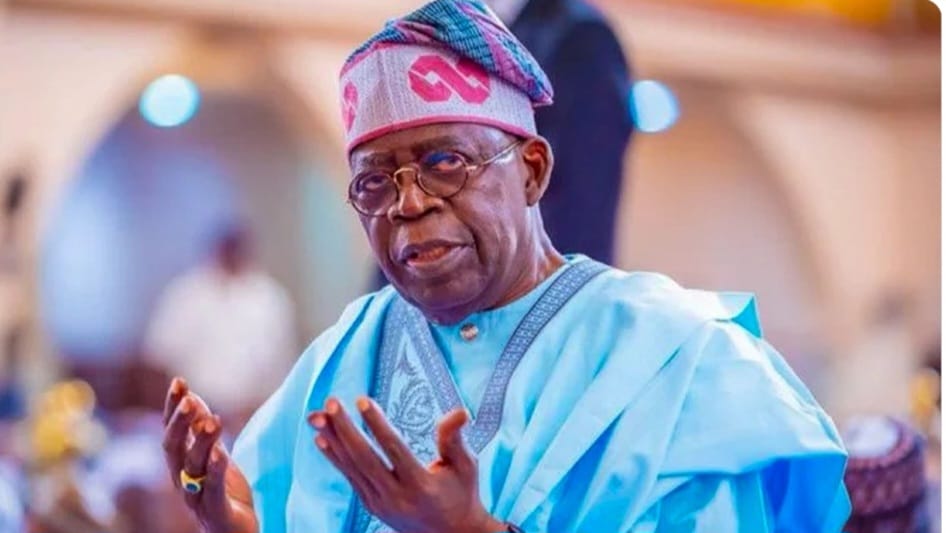
President Bola Ahmed Tinubu has defended the controversial economic reforms introduced by his administration, insisting that Nigeria avoided fiscal collapse through what he described as “difficult but necessary decisions.” Speaking during his third anniversary address on May 29, 2026, Tinubu maintained that fuel subsidy removal, foreign exchange reforms, and fiscal restructuring were essential to stabilise the economy and restore investor confidence.
The President acknowledged that the reforms triggered severe economic hardship, rising living costs, and pressure on households and businesses nationwide.
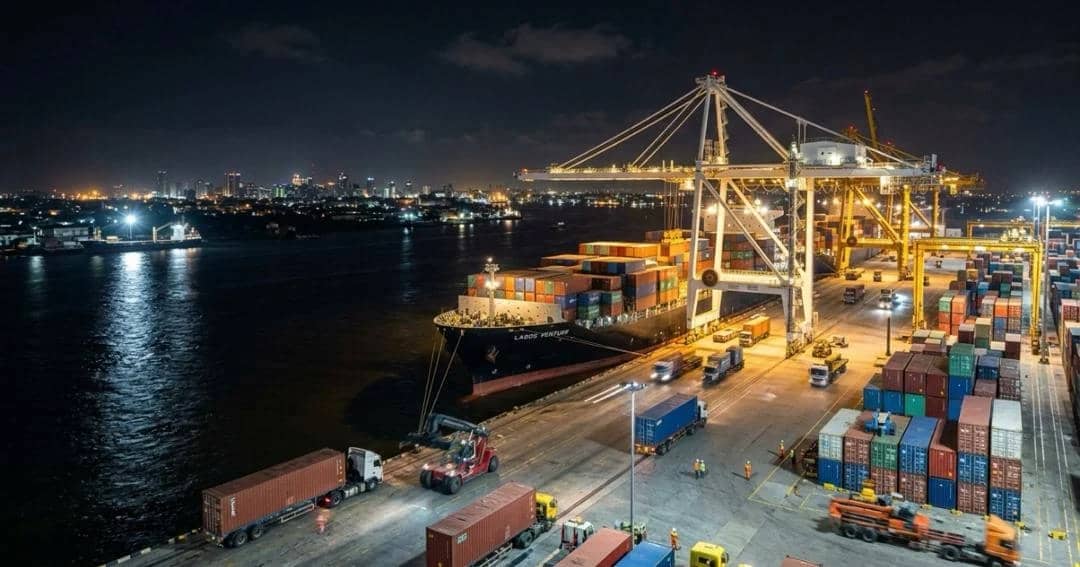
However, he argued that the country is now witnessing signs of recovery, including increased government revenue, stronger foreign reserves, improved public finances, and renewed infrastructure investments.
Despite the government’s optimism, critics and opposition figures insist that ordinary Nigerians are yet to feel the benefits of the reforms.
Many economists argue that inflation, unemployment, insecurity, food prices, and declining purchasing power continue to worsen daily realities for millions of citizens.
Political analysts say Tinubu’s reforms remain one of the most divisive policy agendas in recent Nigerian history, with supporters describing them as courageous economic corrections while critics blame them for deepening poverty, hunger, and social frustration across the country.




Leave a Reply