

By Tope Temokun
At critical moments in history, there emerges a moral crossroad that the tiny line between what is orderly and what is just becomes the road to thread, that road between decorum and dissent. It is at that road that the path splits.
On one side stands the conformist, guided by procedure, tradition, and the quiet comfort of what has been considered, assumed, or adjudged proper for years. On the other stands the iconoclast, the one who understands that when law is entangled with power and politics, popular decorum set for ages can become an unsafe path to thread. This is the burden Sowore carries.
Sowore is not merely a litigant in court, even when he is in court every other day, seeking the return of a seized passport. He is a political actor, a dissenting voice, a symbol, whether one agrees with him or not, of resistance against the establishment. To insist that such a figure must conform at all times to sterile courtroom etiquette, like ordinary litigants claiming damages for trespass to land, is to misunderstand the nature of his struggle and the historic burden he carries.
Nelson Mandela stood in the dock and turned his trial into a platform against apartheid. Mahatma Gandhi used the courtroom not as a place of quiet submission, but of moral confrontation. Fidel Castro spoke beyond the judge, to the conscience of a nation, and the popular “History will absolve me” was not just an address to the judge or even the press, but to the world and generations after his time.
None of these iconoclasts followed the safest path. All of them chose the necessary path.
The iconoclast does not disrupt in conformity. He disrupts in disobedience to norms, because the moment demands a message that can only pass by breaking the norms.
We are told the courtroom is a hallowed place. And it should be, if its sanctity is anchored in justice, not in ritual. But when decorum is invoked to suppress expression in a political trial, then we must ask: is this reverence for justice, or reverence for control?
An objection by a Senior Advocate, insisting that the courtroom must not be used to address the press, is not also without basis. He is merely speaking to professional orthodoxy of the Bar he met which he intends to leave behind, the norm, the order, the preservation of institutional dignity as he knows it. Sowore is not seeing any Bar Orthodoxy or order, and he is not under a duty to, but the sacred duty owed to the historic burden he carries, the burden which goes beyond the Bar or coutroom decorum.
Yet, what is proper for the Bar is not always what is right for a political dissenter. Especially not in a case that is itself born out of political expression. Sowore’s prosecution is not occurring in a vacuum. It is situated within a broader contest of power and politics and public perception. To demand orthodox decorum in such a context is to attempt, consciously or not, to confine a political struggle within procedural walls of norms.
But justice does not live only inside the norm. Sometimes, justice comes alive after the norm is broken.
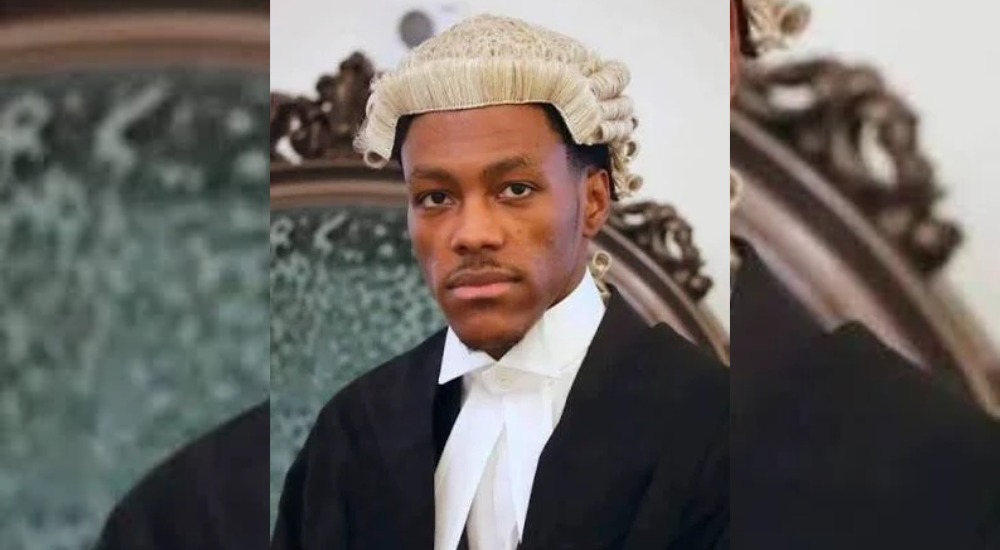
Tope Temokun
Lawyer and human rights activist.
March 24, 2026




Leave a Reply