
By Gloria Drealomalicha
South Africa has announced plans to recover the costs associated with deporting undocumented foreign nationals by seeking reimbursement from their countries of origin.
The proposal, unveiled by the Department of International Relations and Cooperation, would require foreign governments to cover expenses incurred when their citizens are detained for violating South Africa’s immigration laws and subsequently deported.
The move comes as authorities intensify efforts to tackle illegal migration amid growing public concern over the number of undocumented foreigners living in the country. Officials say the state has deported more than 100,000 undocumented migrants over the past two years, placing a considerable financial burden on public resources.
Under the proposed arrangement, the policy would also extend to foreign nationals who have been held in criminal detention facilities before being repatriated. The government said it would work closely with the Department of Home Affairs to pursue reimbursement from the affected countries.
The announcement follows a series of repatriation exercises carried out by several African nations, including Nigeria and Ghana, as concerns rise among their citizens residing in South Africa. Hundreds of Nigerians have already returned home through a government-assisted evacuation programme, while Ghanaian authorities have facilitated the return of about 1,000 nationals.
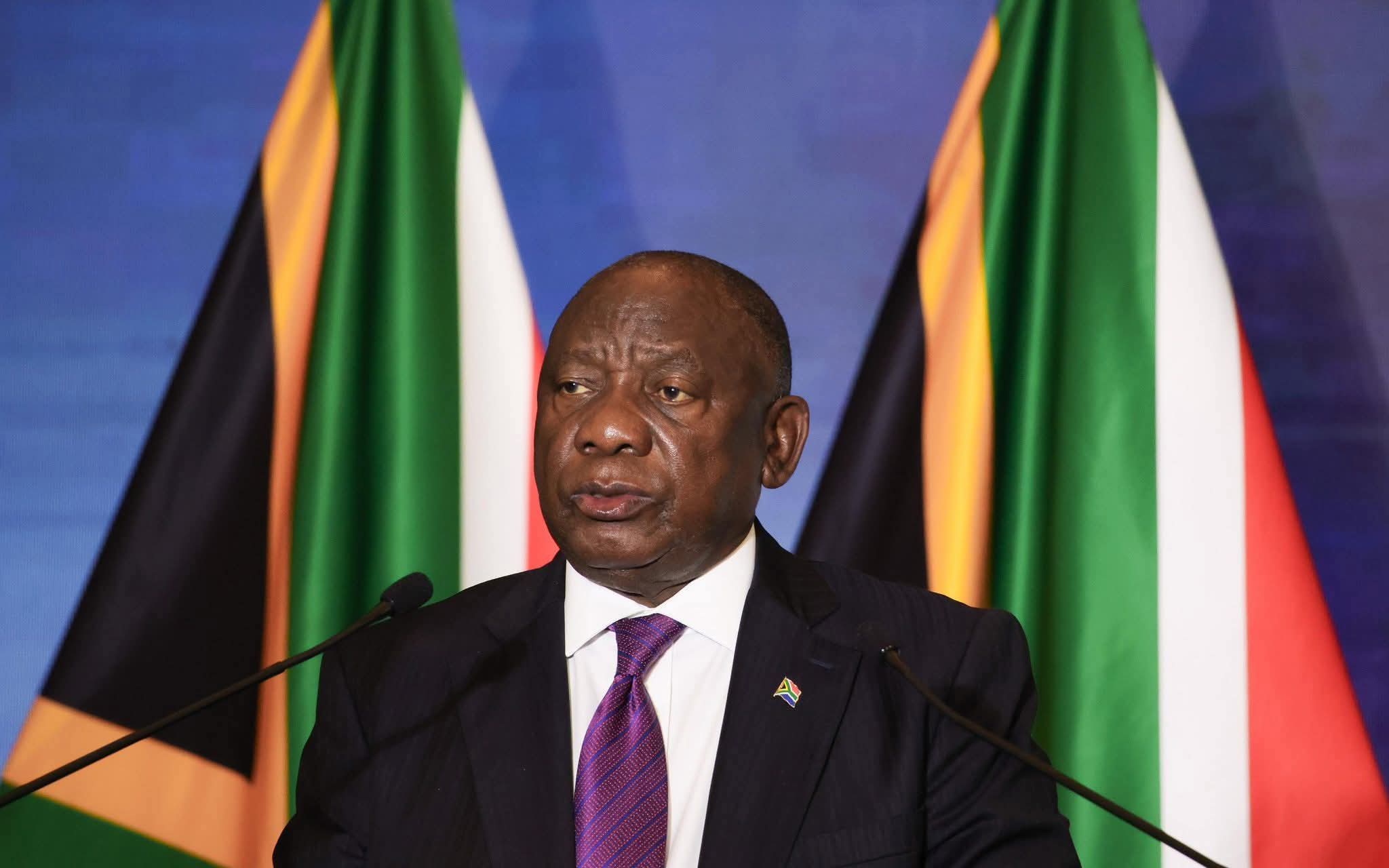
President Cyril Ramaphosa’s administration has insisted that enforcing immigration laws remains a sovereign responsibility and has pledged to strengthen efforts to identify, detain and remove undocumented migrants from the country.
For many South Africans, the debate over illegal migration has become increasingly linked to concerns about pressure on public services, employment opportunities and national security. At the same time, migrant communities and human rights groups have urged authorities to ensure that immigration enforcement measures are carried out fairly and in accordance with international obligations.
If implemented, the new policy is likely to trigger discussions among African governments on migration management, diplomatic cooperation and the financial responsibilities linked to the deportation of foreign nationals.






Leave a Reply