
By George Omagbemi Sylvester
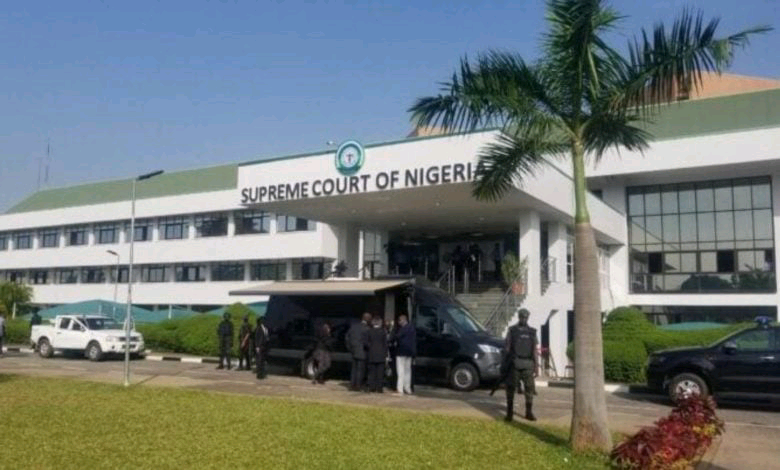
In a historic judgment delivered on 5 February 2026, the Enugu State High Court ordered the British government to pay £420 million (approximately ₦778.8 billion) to the families of 21 coal miners killed during a labour protest at the Iva Valley coal mine in 1949. The ruling, handed down by Justice Anthony Onovo in Suit No. E/909/2024, represents a rare judicial recognition of colonial-era atrocities in Nigeria.
What Happened
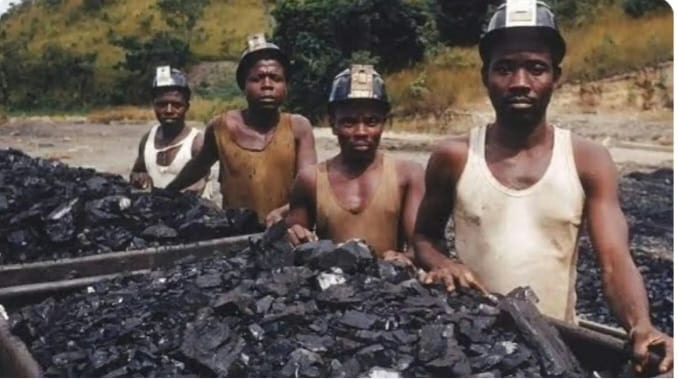
On 18 November 1949, 21 miners were shot dead and 51 others injured by colonial police at the Iva Valley colliery in Enugu during a peaceful protest over poor working conditions, low wages, and racial pay disparities. The order to open fire was reportedly given by the British superintendent of police at the mine, F.S. Philip.
The victims, whose names have now been formally recorded in court documents and reported by the News Agency of Nigeria (NAN), include Sunday Anyasodo, Ani Oha, Andrew J. Obiekwe Okonkwo, Augustine Chiwetalu, Onoh Ugwu, Ngwu Offor, Ndunguba Eze, Okafor Agu, Livinus Ukachunwa, Jonathan Agu Ozoani, Moses Ikegbu Okoloha, Chukwu Ugwu, Thomas Chukwu, Simon Nwachukwu, Agu Alo, Ogbonnia Ani Chima, Nnaji Nwachukwu, William Nwaku, James Onoh Ekeowa, Felix Nnaji, and Ani Nwaekwe.
The lawsuit was filed by human rights activist Mazi Greg Onoh on behalf of the families of the victims. The respondents named in the case included:
- Secretary of State for Foreign, Commonwealth and Development Affairs (UK)
- The British Government
- The Federal Government of Nigeria
- The Attorney General of the Federation (Nigeria)
- The Head of the Commonwealth Government of the United Kingdom
None of the British respondents appeared or were represented in court during the proceedings.
Court Ruling
Justice Onovo declared that the deaths constituted an “unlawful and extrajudicial violation of the right to life.” He ordered:
- £20 million in compensation for each victim, totaling £420 million;
- Post-judgment interest at 10% per annum until full payment is made;
- Formal written apologies to be issued to the families and published in major newspapers in both Nigeria and the United Kingdom;
- The Federal Government of Nigeria to initiate diplomatic engagement with the British government within 60 days to pursue enforcement and reparations.
“The victims were peaceful miners seeking fair wages and safe working conditions,” Justice Onovo stated. “Their killing was an abuse of authority and a violation of human rights.”
How It Happened
Historical records indicate that the miners were on strike for higher wages and better safety conditions, challenging racial inequalities in pay between African and European workers. When negotiations failed, colonial authorities ordered the mine shut. As the miners resisted, police opened fire on the unarmed protesters, killing 21.
The Iva Valley Massacre became a defining moment in Nigeria’s labour and anti-colonial history. It highlighted systemic exploitation under British colonial rule and sparked broader movements advocating for workers’ rights and self-determination in Nigeria.
Why It Matters
Legal experts and historians have described the ruling as a landmark for accountability in former colonial states. Professor Yemi Akinseye-George, counsel for the families, called the judgment “a milestone demonstrating that the right to life transcends time, sovereignty, and political transitions.”
Globally, this ruling resonates with similar cases, such as the British government’s compensation to Kenyan victims of torture during the Mau Mau uprising in 2013. It reaffirms the principle that former colonial powers remain morally and, potentially, legally accountable for abuses committed under their rule.
Diplomatic and Legal Challenges
Despite the judgment, actual payment remains uncertain. Nigerian courts have limited enforcement power over foreign sovereign states. The court’s directive that the Nigerian government begin diplomatic negotiations reflects the reality that enforcement may require political dialogue or litigation in UK courts.
The ruling also criticised decades of Nigerian governmental inaction, highlighting a longstanding failure to pursue justice for victims of colonial violence. By taking this case to court, the families and their legal team have revived a neglected national grievance.
Brief Historical Context
The Iva Valley miners’ strike took place against a backdrop of colonial exploitation. African miners earned minimal wages while European workers received far higher pay for similar work. Safety conditions were poor, and dissent was met with violence.
Walter Rodney, in How Europe Underdeveloped Africa, emphasised that colonial economies prioritised the enrichment of imperial powers over the welfare of local populations. The Iva Valley Massacre exemplified this systemic injustice and remains emblematic of the broader struggle for workers’ rights and human dignity in colonial Nigeria.
The Broader Debate on Reparations
The Enugu ruling intersects with ongoing global debates on reparations for colonialism. Caribbean nations, through the CARICOM Reparations Commission, and African states have increasingly demanded formal apologies and material compensation from former colonial powers.
Philosopher Olúfẹ́mi Táíwò argues that reparations represent “rectificatory justice,” addressing historical wrongs through acknowledgment, institutional reform, and material redress. Economist Thomas Piketty notes that societies cannot achieve equity without confronting the legacies of historical exploitation.
By awarding compensation and mandating formal apologies, the Enugu court acknowledges that colonial abuses have enduring consequences that affect generations of victims and their families.
The Bottom Line
The Enugu High Court’s judgment is not just about financial reparations. It is about acknowledging historical injustice, restoring dignity, and sending a message that the legacy of colonial violence is neither forgotten nor irrelevant.
Seventy-seven years after gunfire echoed through the Iva Valley, the victims’ voices have finally been recognised in a court of law. Whether through compensation, apology, or moral acknowledgment, the ruling marks a decisive step in confronting the unfinished business of Nigeria’s colonial past.




Leave a Reply