
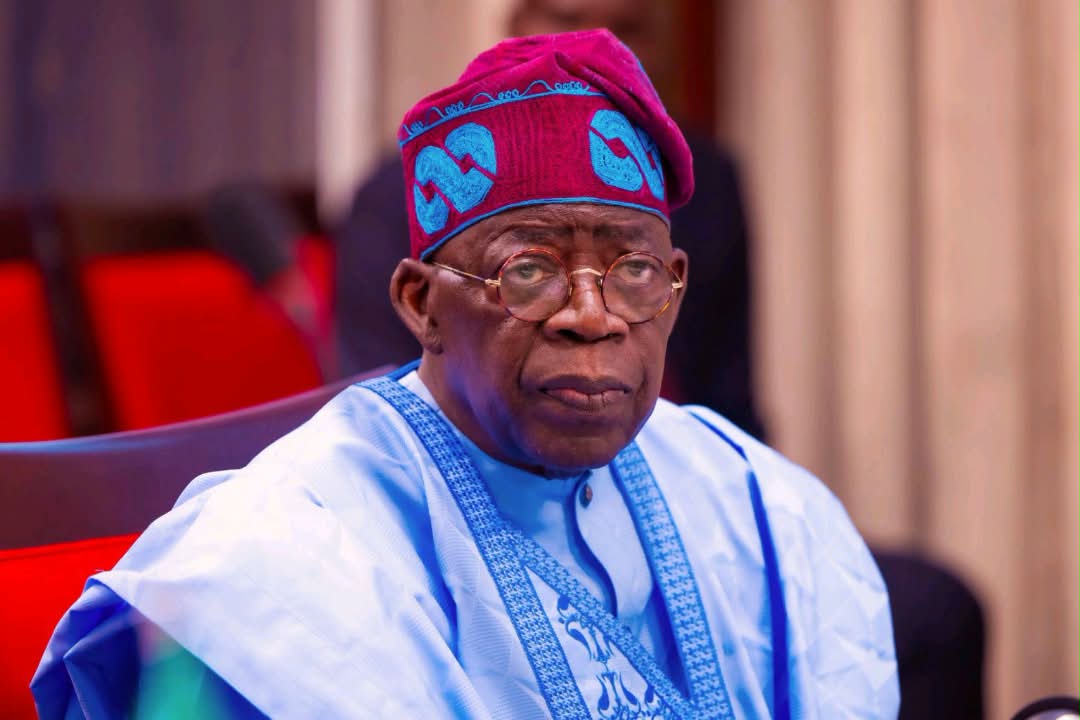
By Opeyemi Adelakun
The Socio-Economic Rights and Accountability Project has called on President Bola Tinubu to order a comprehensive investigation into more than ₦78.8 billion in expenditures linked to Nigeria’s national cash-transfer and social protection programmes.
SERAP’s demand follows findings contained in the 2024 Annual Report of the Auditor-General of the Federation, published on August 7, 2026. The audit covered financial activities spanning 2023 and 2024 and raised concerns about payments, procurement, documentation and the management of funds under the National Cash Transfer Office and the National Social Safety Nets Coordinating Office.
In a letter dated September 5, 2026, and signed by SERAP Deputy Director Kolawole Oluwadare, the organisation asked Tinubu to direct the Ministry of Humanitarian Affairs and Poverty Reduction, NCTO and NASSCO to account for funds identified in the audit report as unaccounted for, unsupported or irregularly spent.
A major issue highlighted by SERAP is the NCTO’s disbursement of ₦33.751 billion in 2023 to 3,295,207 households and beneficiaries across 35 states.
According to SERAP, the Auditor-General found that the NCTO could not provide sufficient evidence confirming that the beneficiaries actually received the payments. The office also reportedly failed to provide REMITA records required to authenticate the transactions and establish the eligibility of beneficiaries.
The organisation therefore urged the government to publish a complete audit trail for the ₦33.751 billion, including beneficiary details, payments, verification procedures, authorisations and reconciliation records, while protecting sensitive personal information.
SERAP also drew attention to ₦36.744 billion reportedly paid in December 2023 without prepayment or internal audit checks.
Other expenditures cited include ₦4.616 billion said to lack adequate supporting documents, ₦350.182 million released for the enrolment of unbanked beneficiaries, ₦89.511 million spent on store items reportedly not delivered, and ₦17.422 million advanced to staff for diesel purchases.
The organisation further called for investigations into ₦76.24 billion in questionable or unaccounted-for expenditure attributed to the NCTO and another ₦2.55 billion associated with NASSCO.
SERAP said any person found responsible for wrongdoing should face appropriate sanctions and prosecution where sufficient evidence exists, regardless of their position or institutional affiliation.
The group also urged the government to establish and publish a recovery schedule showing amounts recovered, dates of recovery, responsible institutions and the Treasury accounts into which recovered funds were paid.
Beyond the financial questions, SERAP said the audit findings raise concerns about the transparency and effectiveness of Nigeria’s social protection system, particularly because the programmes are designed to provide assistance to poor and vulnerable households.
It called for reconciliation of cash-transfer payments with the National Social Register and National Beneficiary Register, as well as independent verification to identify possible duplicate, fictitious, deceased or otherwise ineligible beneficiaries.
SERAP also wants the government to disclose state-by-state beneficiary figures, amounts disbursed, payment dates, failed or reversed transactions, returned funds and administrative and transaction costs associated with the programme.
The organisation urged the Ministry to provide mechanisms through which people listed as beneficiaries but who did not receive payments can lodge complaints. It also called for safeguards against the unauthorised use of people’s identities or bank accounts.
While demanding greater transparency, SERAP acknowledged the need to protect the privacy and personal data of vulnerable beneficiaries when publishing information about the programmes.
The group said several other findings in the Auditor-General’s report pointed to weaknesses in financial controls at NASSCO, including payments made without prepayment audits, purchases without evidence of delivery, unsupported staff-related expenditures and procurement concerns.
SERAP said the issues require urgent attention because the funds involved were intended to support some of the country’s poorest citizens.
It also referenced constitutional provisions requiring the government to promote public welfare and combat corruption, as well as Nigeria’s obligations under international anti-corruption agreements.
SERAP gave the Federal Government seven days from the receipt or publication of its letter to respond and implement the requested measures.
It warned that failure to act could lead the organisation to pursue appropriate legal measures, including proceedings before the ECOWAS Court and the World Bank’s Accountability Mechanism, in the public interest.


Leave a Reply