
By Opeyemi Adelakun
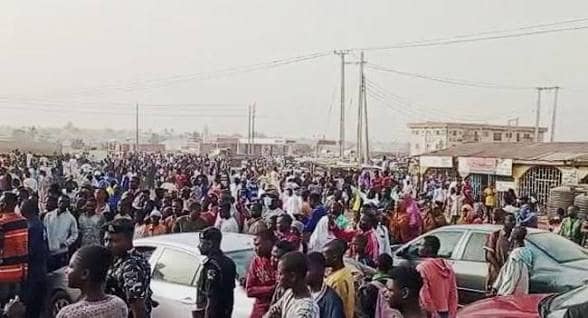
The votes have been cast, counting has taken place at polling units and results are now being collated across Osun State.
But despite the emergence of a clear early trend, the governorship election remains officially undecided until the Independent National Electoral Commission completes the collation and declares a winner.
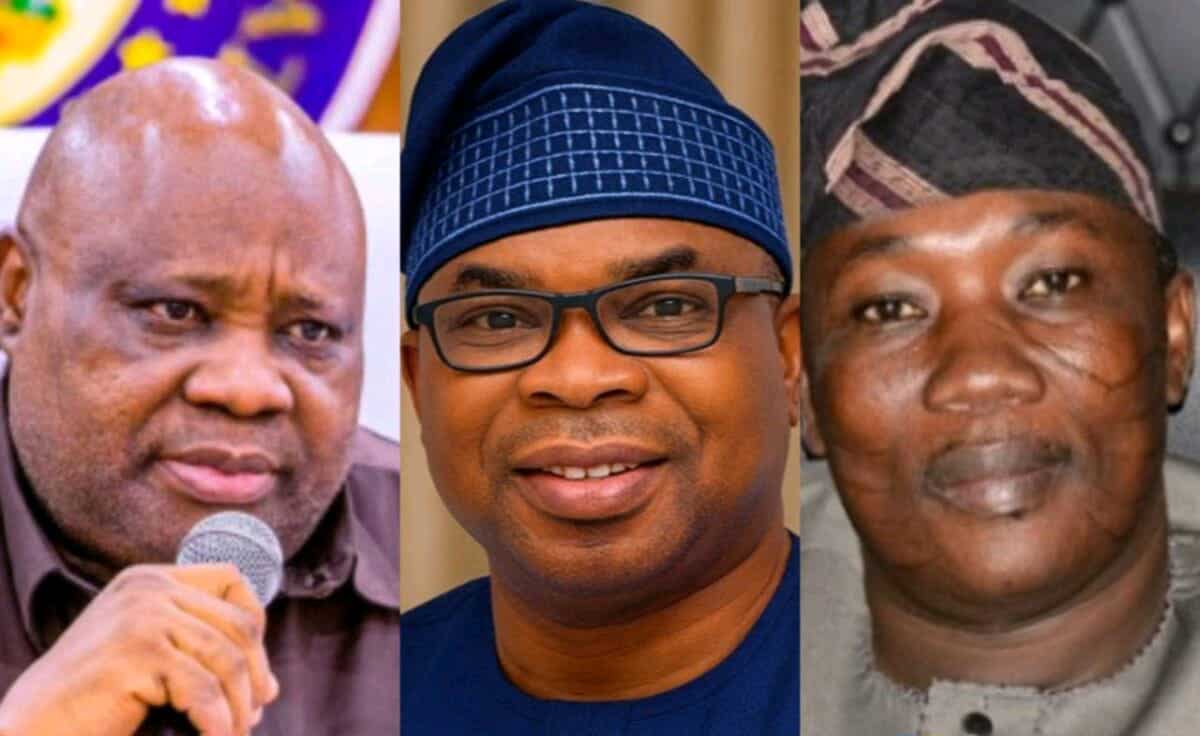
At one stage in the collation, results from 303 of Osun’s 332 wards had been collated, with Governor Ademola Adeleke of the Accord Party leading APC candidate Bola Oyebamiji.
With the final declaration still pending, here are seven things that could still change the outcome or significantly alter the final margin.
- The Outstanding Results
The most obvious factor is the number of results still being added to the overall tally.
INEC’s Result Viewing Portal has been receiving polling-unit results throughout the evening. At different points in the process, the number of uploaded results moved rapidly, showing that the picture was still developing.
The crucial question is not simply how many results remain, but where those results are coming from and which candidate performed better in those areas.
If the outstanding results favour Oyebamiji heavily, the APC candidate could narrow Adeleke’s advantage. If they favour Adeleke, the incumbent could strengthen his position.
- Performance In The Remaining Strongholds
Osun’s political geography matters.
A candidate does not need to win everywhere to emerge victorious. What matters is the total number of votes accumulated across the state.
Some polling-unit results have already demonstrated how sharply political loyalties can differ from one location to another.
For example, the APC recorded a decisive victory at the polling unit of former Governor Rauf Aregbesola in Ilesa, scoring 256 votes against Accord’s 43, while ADC had 13.
In another high-profile result, Accord defeated the APC at former Deputy Governor Iyiola Omisore’s polling unit in Ife, winning 131 votes to APC’s 85.
Such results underline why the remaining geographical distribution of votes will matter.
- The Size Of Adeleke’s Lead
The incumbent’s advantage is another critical factor.
Partial collation figures reported earlier put Adeleke ahead of Oyebamiji, with the Accord candidate recording 177,572 votes against Oyebamiji’s 158,588 after results from 303 wards had been collated.
That represented a lead of 18,984 votes at that stage.
The question is whether the lead is large enough to withstand the remaining results.
If Adeleke’s advantage continues to grow, the possibility of an APC comeback becomes increasingly difficult. If the gap begins to shrink rapidly, however, the final declaration could become much tighter than the earlier figures suggested.
- The Final Vote Distribution In Key LGAs
Another factor is how the final results from the 30 LGAs affect the statewide arithmetic.
Osun has 3,763 polling units spread across 332 wards and 30 LGAs. The election therefore cannot be judged solely from isolated polling-unit victories.
The eventual LGA-by-LGA figures will reveal which candidate converted areas of strength into enough votes to influence the statewide result.
A strong performance in one politically important LGA could potentially offset losses in another.
- Turnout And Valid Votes
The number of people who actually voted—and how many of those votes are eventually counted as valid—could also influence the final margin.
Osun has more than 2.3 million registered voters, while more than 1.9 million collected their Permanent Voter Cards ahead of the election.
But registration figures do not automatically translate into votes.
What matters now is the number of accredited voters, votes cast, rejected ballots and valid votes across the state.
If turnout was significantly higher in areas where one candidate had a strong base, it could have a meaningful effect on the final arithmetic.
- Reconciliation Of Results During Collation
The figures being seen on IReV are important, but they should not be confused with the final declaration.
Polling-unit results go through the formal collation process before INEC declares the winner. INEC’s own explanation of the process provides for results to move through the relevant collation stages before the final outcome is declared.
Therefore, any discrepancies requiring reconciliation, questions about result sheets or other issues arising during collation could affect how some figures are treated.
This is one reason why party agents and observers will be watching the final stages closely.
- What Happens In The Final Hours Of Collation
Perhaps the biggest factor is simply what the remaining results reveal.
The election has already produced unexpected results in some high-profile polling units. The APC’s performance at Aregbesola’s polling unit and Accord’s victory at Omisore’s polling unit show that political assumptions do not always translate directly into individual polling-unit outcomes.
As the remaining results come in, the overall picture could become clearer.
For now, Adeleke has the advantage in the reported partial collation figures, but the result remains unofficial until INEC completes the process and formally declares the winner.



Leave a Reply