
By Opeyemi Adelakun
The opposition’s attempt to forge a united front for the 2027 presidential election is facing a major test as several parties and their candidates reject pressure to surrender their ambitions for a single candidate.
The G-100 Alliance, a coalition of political groups and stakeholders working towards an opposition consensus, has set September 30 as its target for concluding consultations on a preferred presidential candidate.
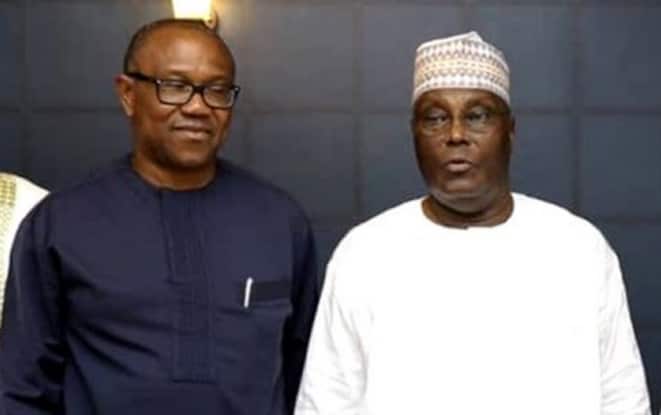
But the positions of major parties suggest that reaching an agreement could prove difficult, with Atiku Abubakar, Peter Obi and Seyi Makinde continuing to pursue their individual presidential ambitions.
The opposition groups recently met at the Shehu Musa Yar’Adua Centre in Abuja during a G-100 Alliance Summit, where possible areas of cooperation were discussed.
Ambassador Umanu Elijah, a member of the coalition, said the group had not yet selected a candidate but was determined to achieve that objective.
He said consultations were continuing behind the scenes and pointed to meetings between opposition figures as evidence of the ongoing effort to build a common platform.
Atiku’s camp, however, argued that the former Vice-President’s candidacy should not be interpreted as an obstacle to opposition cooperation.
An ally of Atiku said he remained open to dialogue with other political leaders but insisted that Atiku would contest the 2027 election.
The source said the former Vice-President had been instrumental in bringing opposition interests together under the ADC and argued that other politicians could support his candidacy.
Makinde’s party also made it clear that the Oyo governor was not preparing to withdraw from the race.
The APM National Publicity Secretary, Abubakar Yusuf, said Makinde was contesting to win and not merely to participate.
He nevertheless acknowledged the G-100 discussions and said there was nothing preventing Makinde from eventually becoming the consensus candidate.
The NDC adopted a similar position, saying it was prepared to engage in discussions on a single opposition candidate while maintaining that Obi remained a strong contender.
The party’s National Publicity Secretary, Osa Director, said the NDC’s willingness to negotiate reflected its commitment to opposition cooperation and not a lack of confidence in Obi’s electoral prospects.
But the proposed arrangement has attracted outright opposition from other political actors.
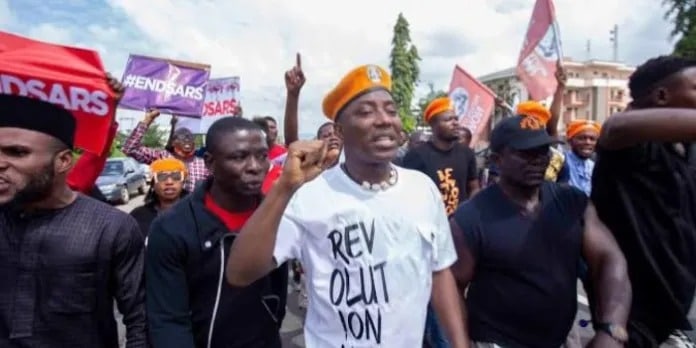
AAC presidential candidate Omoyele Sowore said Nigeria’s problems could not be solved by simply bringing opposition politicians together to defeat the APC.
He argued that any alliance must be based on a common ideology, a clear programme and a commitment to fundamental reforms.
Sowore said he would not step aside merely because opposition leaders agreed on a single candidate, insisting that his movement represented millions of Nigerians seeking fundamental political and economic changes.
The DLA also rejected the single-candidate arrangement, with its presidential campaign spokesperson, Tosin Odeyemi, saying the party would not withdraw its candidate.
The ADP equally ruled out stepping down.
National Chairman Yabbagi Sani said the party had its own manifesto and political interests and would instead welcome other candidates willing to support its flag bearer.
The YPP presidential candidate, Peter Agada, adopted a more conditional position, saying he could support a consensus arrangement if it was founded on ideology, a development framework and mechanisms for transferring political power to the grassroots.
The conflicting positions highlight the difficulty confronting the G-100 as it seeks to unite opposition forces ahead of the 2027 poll.
While some parties remain willing to negotiate, others are determined to keep their candidates in the race, leaving the proposed consensus arrangement uncertain as the September 30 deadline draws closer.



Leave a Reply