
By George Omagbemi
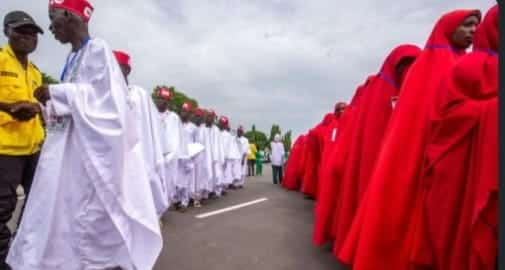
The recent mass wedding involving 1,500 couples in Kano State has generated a national conversation about government priorities, social welfare and the future of Northern Nigeria. The two-day ceremony, held on August 7 and 8, 2026, was organised by the Kano State Government as a social intervention aimed at helping vulnerable residents meet the cost of marriage.
There is nothing inherently wrong with supporting widows, divorcees, young people and struggling families to establish homes. Marriage remains an important institution, and government assistance can provide meaningful relief to people facing economic hardship.
But Northern Nigeria must confront a bigger question: what happens after the wedding?
A society cannot build sustainable prosperity simply by helping people marry. It must also create the conditions for families to thrive. That requires serious investment in education, healthcare, vocational training, digital skills, entrepreneurship and employment.
The reported ₦1.5 billion commitment to the Kano programme has intensified the debate about public spending. While social welfare has its place, the region needs a broader development strategy that converts its enormous youthful population into productive human capital.
Education should be at the centre of that strategy. Governments must ensure that children—especially girls—remain in school and acquire skills that can improve their economic prospects. Young people should not be prepared only for marriage; they should be prepared for work, innovation, leadership and responsible citizenship.
Northern Nigeria also needs stronger technical and vocational education. Not every young person needs a university degree, but every young person deserves an opportunity to acquire a marketable skill. From agriculture and manufacturing to technology, construction, healthcare and renewable energy, the region has enormous opportunities that remain underdeveloped.
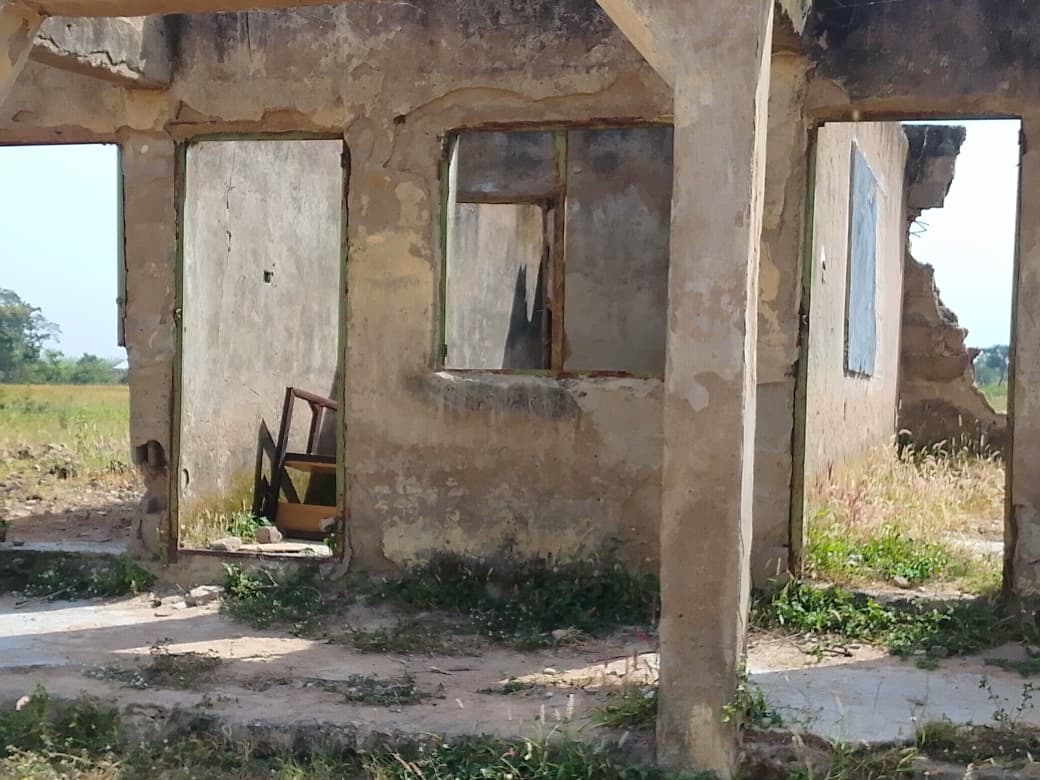
There is also an urgent need to address insecurity and poverty, which continue to undermine education, livelihoods and investment across parts of the region. Human capital cannot flourish where children cannot safely attend school and farmers cannot securely cultivate their land.
Mass weddings may provide immediate social relief. Human-capital investment provides the foundation for lasting transformation.
The real measure of progress should therefore not be how many couples a government helps marry, but how many young people it helps educate, train, employ and empower.
Northern Nigeria deserves both: the dignity of family formation and the opportunity for economic independence.
The wedding ceremony lasts a day. Human capital can transform generations.



Leave a Reply