
By George Omagbemi Sylvester
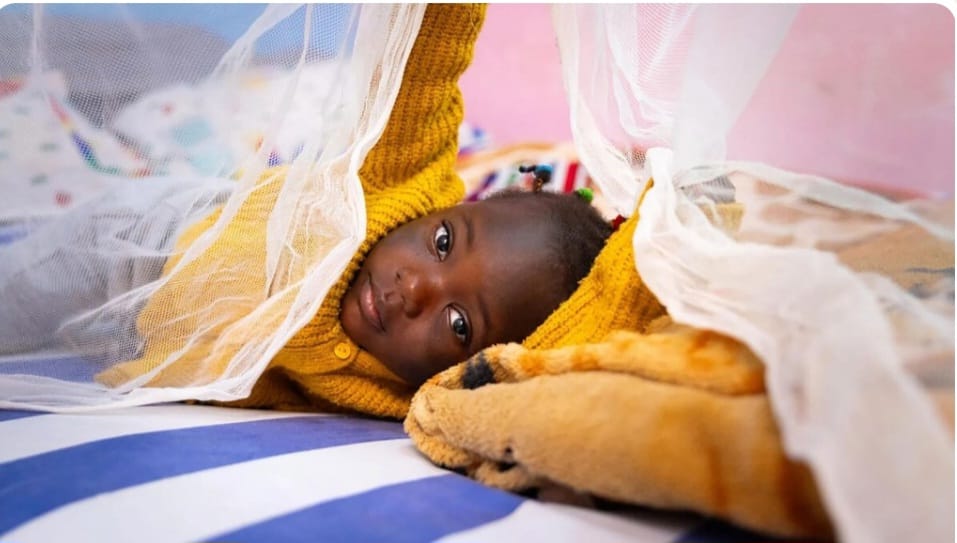
Nigeria’s National Malaria Elimination Programme (NMEP) has raised concern over the persistent vulnerability of children to malaria, revealing that only about 44.9% of children use insecticide-treated mosquito nets, while an estimated 97% of the population remains at risk of infection nationwide.
The warning was highlighted on April 20, 2026, amid renewed calls for stronger prevention strategies, increased testing, and reduced reliance on self-medication in malaria treatment across the country.
Health data continues to show that Nigeria carries one of the highest malaria burdens globally, with children under five remaining the most vulnerable group due to low net usage, environmental exposure, and limited access to prompt treatment.
According to NMEP, inadequate use of preventive tools such as insecticide-treated nets continues to undermine national efforts to reduce malaria transmission, despite ongoing distribution campaigns and awareness programmes.
The agency also warned against self-medication, stressing that many cases worsen due to delayed diagnosis or improper drug use, which complicates treatment outcomes and increases the risk of severe infection.
The situation highlights a gap between policy implementation and household-level compliance.
While preventive tools are widely distributed, consistent usage remains low, especially among vulnerable populations, limiting progress toward malaria elimination targets.
The data underscores the urgent need for stronger behavioural interventions, improved healthcare access, and sustained public health education to close the protection gap.





Leave a Reply