

By George Omagbemi Sylvester
The Ogun State Ministry of Justice in Abeokuta, Nigeria, has issued a robust clarification and stern warning following widespread public misunderstanding of an advisory it released on 22 February 2026. The Ministry, led by the Attorney‑General and Commissioner for Justice, Oluwasina Ogungbade, SAN, insisted the advisory was aimed solely at the public and not at the Nigeria Police Force, underscoring a critical distinction in Nigeria’s legal landscape between civil and criminal matters.
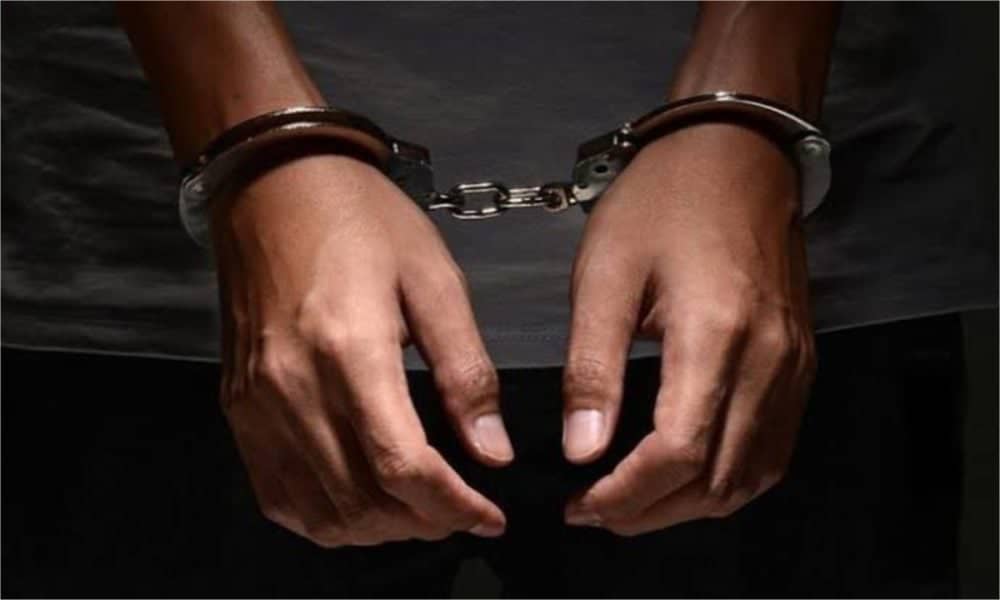
At the centre of the controversy was a growing tendency by individuals, lawyers and community representatives to weaponise police and prosecutorial mechanisms to pursue civil disputes (such as family disagreements, property conflicts, contractual disagreements and other non‑criminal matters) by labelling them as criminal offences. The Ministry argued that such conduct not only overloads law enforcement agencies and diverts them from genuine cases, but can lead to unwarranted arrests and temporary deprivations of liberty before investigations are properly concluded.
Ogungbade drew from common‑sense legal principles when he observed that “frivolous or misleading petitions arising from civil disagreements often overwhelm law enforcement agencies and divert attention from genuine criminal matters.” Experts in Nigerian law stress this point. As legal analyst Kelvin Adegbenga notes: “the Nigeria Police have constitutional authority to investigate criminal matters, but that authority is not a tool for enforcing private contractual rights or civil disagreements.”
The Ministry also praised the professionalism of past and present Commissioners of Police, specifically naming Lanre Ogunlowo, for their sensitivity to jurisdictional boundaries and their restraint in civil cases. Additionally, Ogungbade acknowledged the role of respected legal figures such as Frank Mba, for upholding proper enforcement mandates.
“The rule of law demands clarity about what constitutes an offence,” said constitutional lawyer Professor Bayo Ojo, SAN, in a statement to media outlets. “When citizens misuse criminal law to achieve private ends, the justice system itself is undermined.” His point underscores the broader concern that conflating civil with criminal proceedings jeopardises due process and exposes individuals to unnecessary rights violations.
In reaffirming its commitment to due process, the Ministry urged citizens, lawyers, activists and intermediaries to respect statutory roles and resist dragging security agencies into personal quarrels. It warned that misuse of the criminal justice system could lead to wasted resources, avoidable human rights liabilities and a weakening of public trust in law enforcement institutions.
Ogun State’s clarification is more than bureaucratic housekeeping; it is a timely reminder of the delicate balance that must be preserved between civil liberties and effective criminal justice.





Leave a Reply