
By Paul Joseph
Nigeria has joined the global community in commemorating World Meteorological Day 2026, with renewed calls for urgent collaboration and investment to tackle the rising threat of extreme weather and climate change.
Speaking at the national celebration in Abuja, the Director-General of the Nigerian Meteorological Agency, Charles Anosike, emphasised the critical role of weather observations in protecting lives and supporting economic stability.
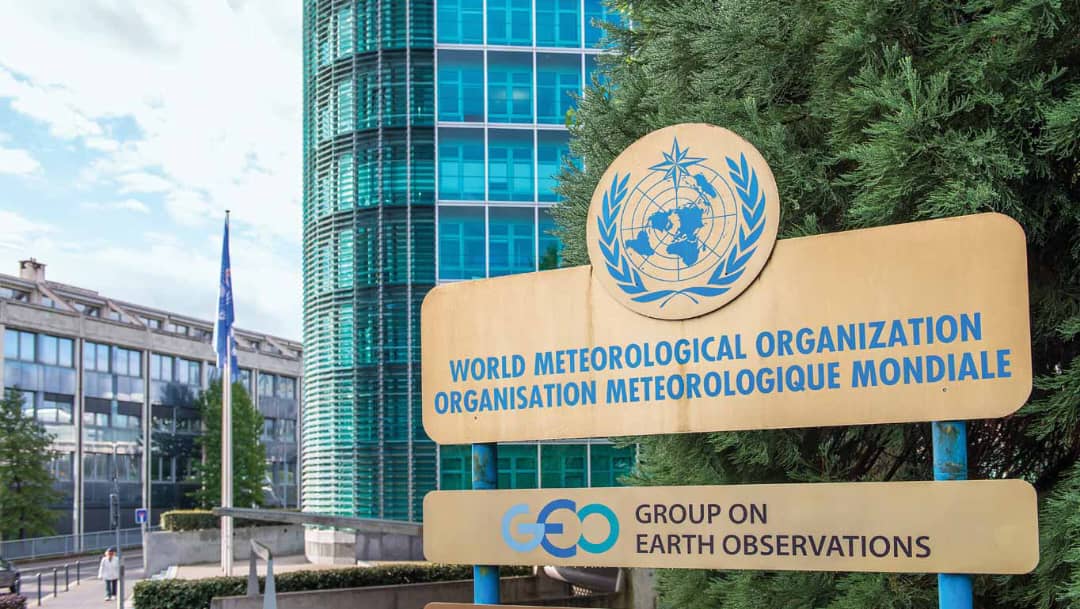
He noted that the annual event, marked globally under the auspices of the World Meteorological Organization, provides an opportunity to reflect on how meteorological science contributes to sustainable development and disaster risk reduction.
Highlighting the 2026 theme, “Observing Today, Protecting Tomorrow,” Anosike said accurate and timely weather data remains the foundation of effective forecasting and early warning systems.
“Every forecast and early warning begins with reliable observations from land, sea, air, and space,” he said, stressing that improved data collection directly enhances preparedness and response to climate-related hazards.
The NiMet boss outlined ongoing efforts to modernise Nigeria’s meteorological infrastructure, including expansion of surface and upper-air observation networks, satellite data systems, and automated weather stations. These, he said, have strengthened aviation safety, agricultural planning, disaster preparedness, and overall decision-making across sectors.
Beyond Nigeria, Anosike revealed that NiMet is supporting other African countries—including Liberia, Niger, Somalia, and Burkina Faso—through advisory services aimed at improving their climate observation systems under international cooperation frameworks.
Despite these strides, he warned that climate change is intensifying extreme weather events while placing greater strain on existing infrastructure. He cited findings from Nigeria’s 2025 climate report, which recorded temperatures exceeding 40°C in at least 23 cities, with northern regions experiencing prolonged heatwaves and rising flood incidents nationwide.
He stressed that meeting growing demand for weather and climate services requires stronger partnerships, particularly with the private sector. According to him, global trends show increasing private investment in weather technologies, including remote sensing, data analytics, and artificial intelligence-driven forecasting models.
“No single institution can meet these challenges alone. Public-private collaboration is essential to building a resilient and sustainable observation system,” he said.
Anosike called on industry leaders, research institutions, and development partners to support NiMet through shared investments, innovation, and improved data exchange.
Also speaking at the event, representatives of the World Economic Forum warned that extreme weather remains the leading long-term global risk, with Africa experiencing its warmest decade on record.
In a goodwill message, the Director-General of the Nigeria Hydrological Services Agency, Umar Ibrahim Mohammed, commended NiMet’s contributions to disaster risk reduction and national development.
He praised the agency’s consistent delivery of reliable forecasts despite operational challenges and urged wider dissemination of weather and climate information, particularly to vulnerable communities.
Stakeholders at the event agreed on the urgent need to scale up investments in meteorological infrastructure and integrate climate data into planning across all sectors.
They warned that with rising demand for accurate weather information, proactive investment today will be critical to safeguarding lives, livelihoods, and the nation’s future.
“Observing today is not optional—it is essential to protecting tomorrow,” the stakeholders concluded.




Leave a Reply