
By: Sunday Ameh
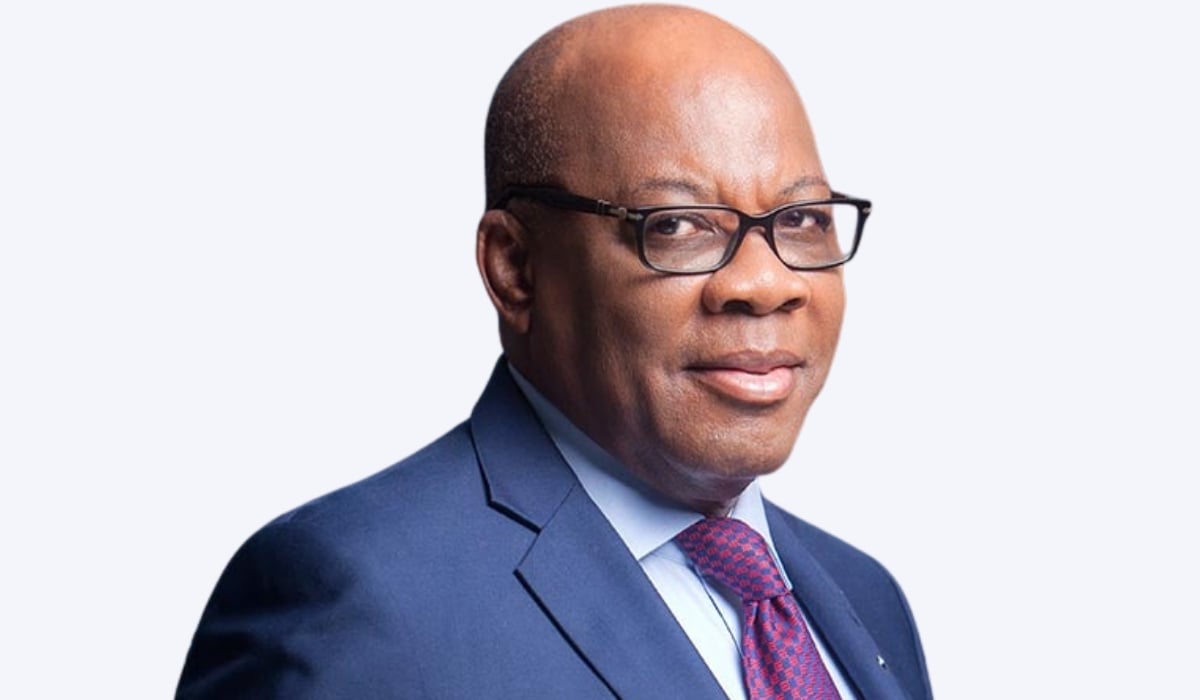
Senior Advocate of Nigeria (SAN) and former President of the Nigerian Bar Association, Dr. Olisa Agbakoba, has raised concerns over what he described as massive structural leakages within Nigeria’s public finance system, warning that the country may be losing as much as ₦20 trillion annually due to inefficiencies, oil sector practices, and weak enforcement of constitutional revenue provisions.
Agbakoba made the remarks on Monday during an interview on Frontline, a current affairs programme on Eagle 102.5 FM, Ilese-Ijebu, Ogun State, where he examined the nation’s socio-economic and political landscape.
He argued that Nigeria’s growing dependence on borrowing despite possessing substantial revenue-generating potential reflects a deeper crisis in fiscal management.
According to Agbakoba, the Nigerian Constitution clearly mandates that all revenues generated by government agencies be paid directly into the Federation Account without deductions.
He cited Section 162 of the Constitution, noting that while the legal framework is clear, implementation has been weakened by institutional practices that allegedly divert or retain funds outside the constitutional process.
“The Constitution is clear that all revenues should flow into the Federation Account without deductions, but the challenge is whether the account truly receives what it should,” he said.
He alleged that some agencies had created parallel systems that undermine transparency and reduce inflows into government coffers.
Agbakoba questioned why Nigeria continues to rely heavily on borrowing despite having sufficient revenue streams if properly managed.
Nigeria’s debt profile currently stands at over ₦160 trillion, with borrowing continuing to rise.
He likened the situation to a household head with enough money in the bank still choosing to borrow.
“If resources are available but government still borrows, then the issue is not revenue scarcity but failure in managing available resources,” he stated.
A major aspect of his criticism focused on the operations of the Nigerian National Petroleum Company Limited (NNPC), which he accused of contributing significantly to revenue leakages in the oil sector.
Agbakoba claimed that various deduction practices and financial arrangements have reduced remittances into the Federation Account.
He also referenced President Bola Tinubu’s reforms and the dissolution of the previous NNPC board as evidence of official concern over the issue.
According to him, Executive Order 9 reflected presidential acknowledgment of the scale of financial leakages in government institutions.
The senior lawyer also questioned unconventional oil financing mechanisms involving future crude production.
He referenced projects such as Project Gazelle, Project Yield, and Project Leopard, alleging that future oil earnings had been used as collateral to secure immediate funding.
According to him, such arrangements threaten long-term fiscal stability by sacrificing future revenues for short-term financial gains.
Agbakoba also raised concerns over repeated investments in refinery rehabilitation projects in Port Harcourt, Warri, and Kaduna, arguing that despite significant expenditures, many facilities remain underperforming.
He described Nigeria’s continued practice of exporting crude oil while importing refined petroleum products as economically irrational.
“If not for Dangote Refinery, Nigeria would still be struggling with massive fuel importation despite being a crude oil producer,” he said.
Fiscal System “An Absolute Catastrophe”
He further alleged that several other revenue streams—including petroleum profit taxes, licensing fees, gas penalties, stamp duties, and solid mineral revenues, are also affected by leakages.
According to him, Nigeria may currently be operating far below its actual revenue capacity.
“The World Bank estimates losses of about ₦10 trillion annually, but I believe the figure could be closer to ₦20 trillion,” Agbakoba said.
He warned that rising debt servicing obligations continue to consume government revenue and limit spending on infrastructure and public welfare.
Agbakoba also criticized the political class, arguing that governance appears increasingly overshadowed by preparations for the 2027 elections.
He maintained that subsidy removal and exchange rate reforms were necessary policies but faulted the absence of strong mitigation measures.
He questioned why savings from fuel subsidy removal were not placed in a dedicated infrastructure fund to finance roads, schools, and development projects.
According to him, stronger oversight and institutional reforms are urgently needed to close leakages and prevent Nigeria from remaining trapped in cycles of debt and underdevelopment.
He urged Nigerians to demand practical solutions from political leaders ahead of future elections.
“This issue should be central to the 2027 debate. Nigerians deserve to know how leaders intend to stop these leakages and restore fiscal stability,” he said.

Leave a Reply