
By Editor Drealomalicha Emmanuella
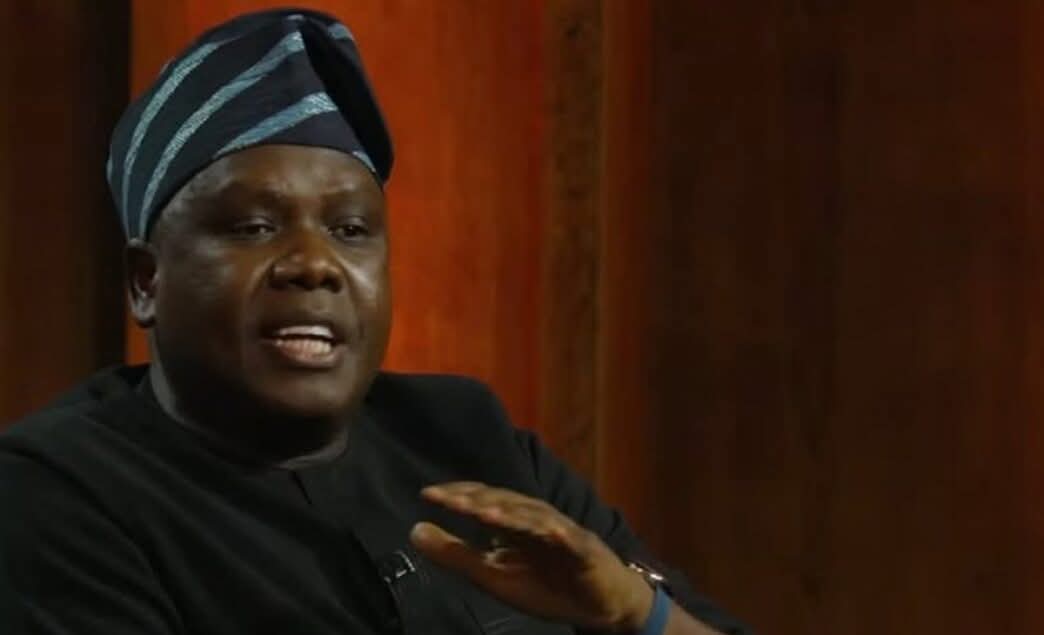
Daniel Bwala, Special Adviser to President Bola Tinubu on Policy Communication, has candidly acknowledged Nigeria’s limited technological capacity in tracking armed groups in real time, shedding light on one of the country’s most pressing security challenges.
Speaking during an interview, Bwala addressed concerns about how large, mobile gangs often numbering between 300 and 500 individuals on motorcycles are able to move undetected across communities. The question, he noted, reflects a growing public frustration over why such groups appear “invisible” to Nigerian authorities, while countries like the United States seem able to monitor similar movements with ease.
Bwala explained that the disparity lies largely in access to advanced surveillance infrastructure. According to him, the United States relies heavily on satellite technology, a capability Nigeria currently does not possess.
“Americans are seeing them because of satellite systems which Nigeria does not have,” he said, adding that such technological superiority allows foreign partners to observe threats from afar, even when they are not physically present on the ground.
When pressed on whether Nigeria could acquire similar systems, Bwala was forthright: the country simply lacks the capacity at present.
He further outlined the limitations of Nigeria’s existing drone capabilities. While acknowledging that the military operates drones for intelligence gathering capturing visuals and digital data he pointed out a critical gap.
“There are drones that collect intelligence, and there are those that can both identify and strike targets. We do not yet have the systems that can do both,” he said.
This shortfall, he explained, significantly weakens operational effectiveness, particularly against fast-moving armed groups. Identifying such threats without the ability to respond immediately often renders the intelligence less useful.
Beyond technology, Bwala highlighted financial and logistical barriers. He noted that the acquisition of advanced defence systems is not as straightforward as purchasing off-the-shelf goods, and that Nigeria’s current security budget falls short of what is required.
“These systems are expensive, and they are not readily available on the open market. Even when they are, procurement involves complex international processes,” he said.
Despite these constraints, Bwala struck a note of cautious optimism, emphasising that Nigeria continues to work closely with international partners, particularly the United States, to strengthen its security framework.
“There is ongoing, robust collaboration. It’s not as though Nigeria is completely cut off from accessing such capabilities,” he added.
For many Nigerians, his remarks offer both clarity and concern revealing the scale of the challenge while underscoring the urgent need for investment in modern security infrastructure.

Leave a Reply