
By George Omagbemi Sylvester
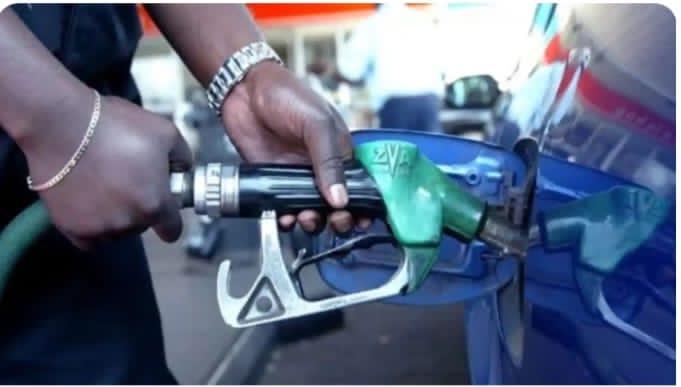
Nigerian consumers are grappling with soaring petrol prices, with the retail cost hitting ₦960 per litre in Abuja and ₦935 in Lagos, as regional instability in the Middle East drives up crude oil costs globally. Fuel marketers and the Petroleum Products Pricing Regulatory Agency (PPPRA) confirmed the price adjustments on March 4, 2026, citing increased importation costs and supply chain pressures.
The why behind the surge is linked to escalating tensions in the Persian Gulf, where recent military engagements involving the United States, Israel, and Iran have disrupted oil exports and triggered a spike in international crude prices. Analysts note that Nigeria, heavily reliant on imported refined petrol, is particularly vulnerable to such global supply shocks, and local currency depreciation has further intensified costs for consumers.
The price increase threatens to exacerbate inflation, strain household budgets, and raise transportation and production costs across the economy. Economists warn that sustained volatility in Middle East oil markets could undermine Nigeria’s economic stability, prompting calls for urgent investment in domestic refining capacity and strategic fuel reserves.






Leave a Reply