
By Paul Joseph
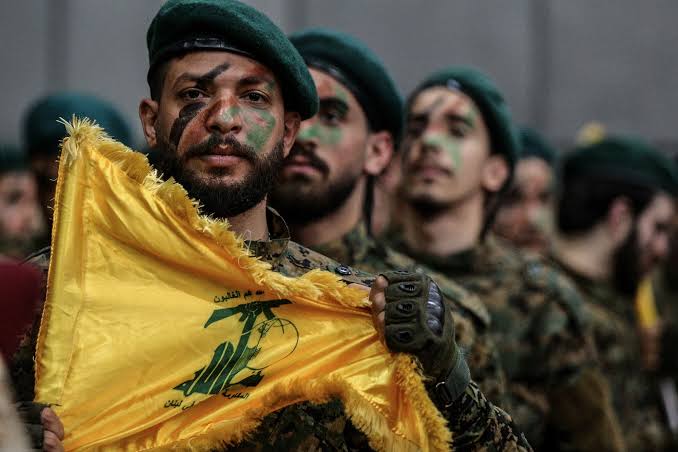
The fragile diplomatic efforts to halt hostilities between Israel and Lebanon suffered a major setback on Thursday after Hezbollah formally rejected a newly announced US-backed ceasefire agreement, describing the proposal as a “surrender” that would serve Israel’s strategic objectives.
The rejection came a day after Israel and Lebanon announced a renewed ceasefire arrangement following US-mediated negotiations in Washington aimed at reducing tensions along the volatile border region.
In a strongly worded statement, Hezbollah leader Naim Qassem said the negotiations had been “futile” and “humiliating” for Lebanon, insisting that large sections of the Lebanese population opposed the agreement.
Under the proposed arrangement, Hezbollah fighters would withdraw from areas between the Israeli border and the Litani River, while designated security zones would be placed under the exclusive control of the Lebanese Armed Forces. The United States, which helped broker the deal, said implementation was dependent on a complete halt to attacks by Hezbollah.
However, Qassem argued that the terms effectively demanded unilateral concessions from Hezbollah without corresponding guarantees from Israel.
“This is surrender, not peace,” was the sentiment echoed by many residents in Beirut’s southern suburbs, a traditional Hezbollah stronghold, where skepticism over the agreement remains widespread.
Business owner Sami, who has lived in the area for decades, questioned how a ceasefire could be considered valid while Israeli military operations continued inside Lebanon.
“You cannot have a ceasefire from one side. It has to be all sides or no ceasefire,” he said.
Another resident, Hadi, expressed little confidence in the latest diplomatic initiative, saying generations of Lebanese had repeatedly seen hopes for peace dashed by conflict.
The latest agreement emerged after a fourth round of talks between Israeli and Lebanese representatives under American mediation. While details of the proposed “pilot security zones” remain unclear, the plan envisions areas in southern Lebanon where only the Lebanese military would be allowed to operate, excluding all armed non-state groups.
The proposal follows a partial ceasefire announced earlier in the week that reportedly involved Israel refraining from strikes on Beirut in exchange for Hezbollah suspending attacks on Israeli territory.
Despite the diplomatic breakthrough, violence continued on Thursday.
Lebanese media reported multiple Israeli airstrikes across southern Lebanon and the Bekaa Valley. Authorities said at least six people were killed in separate attacks, including five victims in Sohmor and another person in Maaroub near the coastal city of Tyre.
Meanwhile, the United Nations Interim Force in Lebanon (UNIFIL) confirmed the death of one of its peacekeepers after mortar rounds struck a UN position near Marjayoun overnight.
The Israeli military blamed Hezbollah for the attack, alleging that mortar fire launched by the group landed inside the peacekeeping base. Hezbollah had not commented on the accusation as of the time of reporting.
The fallen peacekeeper was later identified as Senior Sergeant Milovan Jovanovic of Serbia, one of approximately 170 Serbian troops serving in the multinational UN mission.
Israel also reported that several suspicious aerial objects were detected in areas where its forces are currently operating in southern Lebanon, although no casualties were recorded.
Hezbollah, for its part, announced that it had launched drone and rocket attacks against Israeli troops and military vehicles in the Lebanese town of Qantara and around the strategic Beaufort Castle area.
The conflict escalated dramatically in March after Hezbollah launched rockets into Israel following an Israeli strike that killed Iran’s Supreme Leader. Israel responded with a large-scale air campaign and ground operations in southern Lebanon, drawing the country deeper into a broader regional confrontation involving Iran and its allies.
A previous US-brokered ceasefire announced in April failed to end the fighting. Last week, Israeli Prime Minister Benjamin Netanyahu ordered intensified military operations against Hezbollah following renewed rocket and drone attacks on northern Israeli communities.
According to Lebanese health authorities, more than 3,500 people have been killed since the conflict began, while the United Nations estimates that over one million residents have been displaced from their homes.
Israel says 26 soldiers and four civilians have been killed during the fighting.
Despite fresh diplomatic efforts, Hezbollah’s outright rejection of the latest ceasefire proposal has cast doubt over prospects for a lasting truce, raising fears that hostilities could intensify further in the coming weeks.



Leave a Reply