
By Paul Joseph
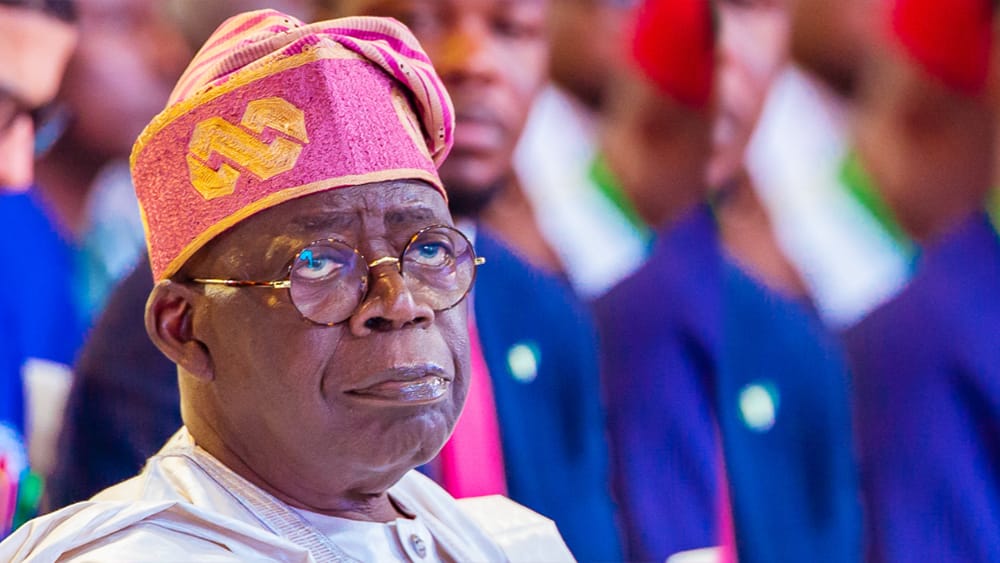
President Bola Ahmed Tinubu has summoned the leadership of the National Assembly to an emergency meeting at the Presidential Villa, Abuja, as part of efforts to accelerate the establishment of state police in response to Nigeria’s worsening security challenges.
Presidency sources revealed on Thursday that the meeting will focus on advancing constitutional amendments required to create state police and strengthen security structures at the grassroots level amid growing public concern over kidnappings, banditry and attacks on schools across the country.
According to a senior presidential aide familiar with the development, the President is increasingly concerned about the resurgence of violent crimes, particularly the abduction of schoolchildren, teachers and other vulnerable citizens in several states.
“The President is worried by the increasing cases of insecurity, especially the targeting of schools and innocent citizens by criminal elements. He believes the country can no longer afford delays in addressing structural gaps in policing and internal security,” the source said.
The planned engagement is expected to bring together principal officers of both chambers of the National Assembly and officials involved in the ongoing constitutional review process.
Sources said Tinubu views state police as a key pillar of his administration’s broader security reform agenda and is seeking legislative cooperation to ensure speedy consideration of all constitutional and legal requirements needed for its implementation.
“The meeting is essentially to build consensus and explore ways of ensuring that the necessary constitutional amendments receive expeditious attention. The President wants all stakeholders on the same page because security has become a national emergency,” the source added.
The move comes amid renewed national outrage over a series of kidnappings and attacks across the country, including the abduction of dozens of pupils and teachers from schools in Oriire Local Government Area of Oyo State.
The incident, which left several victims injured and a teacher reportedly killed, has intensified calls for the decentralisation of policing and greater involvement of state governments in managing internal security.
For years, state police has remained one of the most debated issues in Nigeria’s political and security landscape. Supporters argue that locally controlled police formations would improve intelligence gathering, enhance response times and strengthen crime prevention efforts.
However, critics have warned that state governors could abuse such security structures for political purposes, raising concerns about accountability and human rights protections.
Despite those reservations, momentum has continued to build around the proposal as insecurity persists across various regions of the country, with communities battling terrorism, banditry, kidnapping and communal violence.
The Presidency’s latest move also comes against the backdrop of growing fears over the impact of insecurity on education. Stakeholders have warned that repeated attacks on schools could worsen Nigeria’s out-of-school children crisis and discourage enrollment in vulnerable communities.
Security analysts have equally raised concerns about the implications of persistent violence for future elections and national stability if decisive measures are not taken.
Should the constitutional amendments receive the backing of lawmakers and state legislatures, the creation of state police would mark one of the most significant security reforms since Nigeria’s return to democratic rule in 1999.
The outcome of the meeting between the President and National Assembly leaders is expected to shape the next phase of the national conversation on policing reforms and the fight against insecurity.





Leave a Reply