
By Paul Joseph
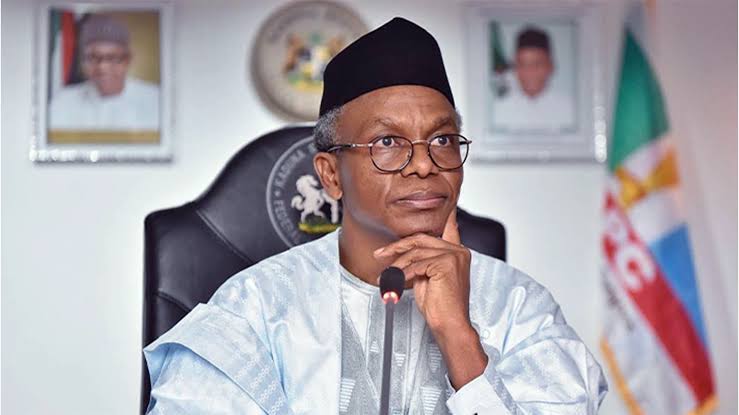
The former governor of Kaduna State Nasir Ahmad El-Rufai, has chosen not to answer questions from the Independent Corrupt Practices Commission (ICPC), claiming his silence is a constitutional right rather than an act of defiance.
El-Rufai, who is currently under investigation by the anti-corruption agency, provided two handwritten statements to ICPC officials on February 19 and 20, 2026, while under caution and accompanied by his lawyer, Ubong E. Akpan.
In his first statement, El-Rufai contended that the investigation was driven by political motives and stated that he would only address any accusations in a court setting. He remarked:
He also pointed out his extensive career in public service, which includes positions as Director General of the Bureau of Public Enterprises (1999–2003), Minister of the Federal Capital Territory (2003–2007), and two terms as Governor of Kaduna State (2015–2023). El-Rufai currently spends most of his time in Egypt with part of his family and his 96-year-old mother.
In a follow-up statement on February 20, 2026, El-Rufai reiterated his position, declining to respond to further documents or inquiries from the ICPC. He attributed the politically motivated pressure to his affiliation with the African Democratic Congress (ADC), Nigeria’s opposition party.
The ICPC had previously secured a 14-day remand order from a Chief Magistrate Court in Bwari, which is set to expire on March 5, 2026, as the investigation proceeds.
El-Rufai’s decision underscores the ongoing tensions between opposition leaders and anti-corruption agencies in Nigeria, raising concerns about political influence and the limits of constitutional rights within the country’s legal system.
The former governor’s legal team stated they would continue to oversee the investigation to ensure that all proceedings comply with due process.




Leave a Reply