
By George Omagbemi Sylvester
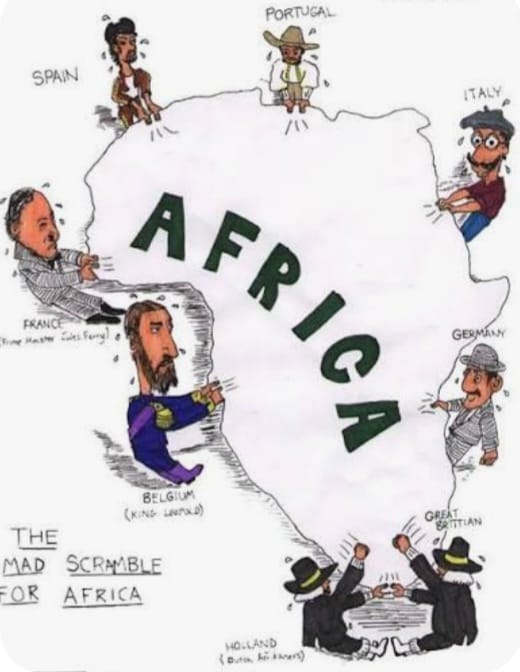
For years, Africa has hidden behind one convenient word whenever tensions erupt between locals and migrants: xenophobia. The term has become a continental shield, a political escape route that avoids deeper and more uncomfortable truths. Yet the violence, anger, resentment and hostility witnessed in parts of Africa today are not born merely from hatred of foreigners. They are symptoms of something far more dangerous and failed governance, unmanaged migration, collapsing economies and the absence of serious continental planning.
To reduce every social explosion to “xenophobia” is intellectually dishonest. It oversimplifies a crisis rooted in weak institutions and decades of political irresponsibility across multiple African states.
South Africa often becomes the global face of this debate, but the problem stretches far beyond its borders. Across Africa, tensions linked to migration, labour competition, informal trade and overstretched public services continue to rise. The reality is harsh: governments are failing to create systems capable of managing human movement with dignity, legality and sustainability.
Migration itself is not the enemy. Human beings naturally move in search of survival, opportunity and security. What becomes dangerous is unmanaged migration colliding with poverty, unemployment, weak infrastructure, corruption and inequality. When schools become overcrowded, hospitals overwhelmed and jobs scarce, frustration inevitably grows. That frustration then explodes in ugly and sometimes violent ways.
Africa’s greatest hypocrisy lies in the labour market. Many undocumented migrants are hired precisely because they are vulnerable and cheap. Employers benefit from underpaying desperate workers while simultaneously blaming foreigners for economic hardship. This creates a cycle of exploitation disguised as nationalism.
At the same time, African governments rarely confront the reasons citizens flee their home countries in the first place: corruption, insecurity, failed leadership, collapsing public institutions and economic hopelessness; a continent cannot preach Pan-African unity while exporting instability from one state to another.
True African unity cannot survive on slogans alone, though it requires policy, cooperation, border management, labour protections and economic reforms strong enough to give citizens reasons to stay and build at home.
The real conversation Africa must have is not simply about xenophobia.
It is about leadership failure, economic injustice and the urgent need for a continental migration framework rooted in fairness, legality and shared responsibility.




Leave a Reply