
By Editor Drealomalicha Emmanuella
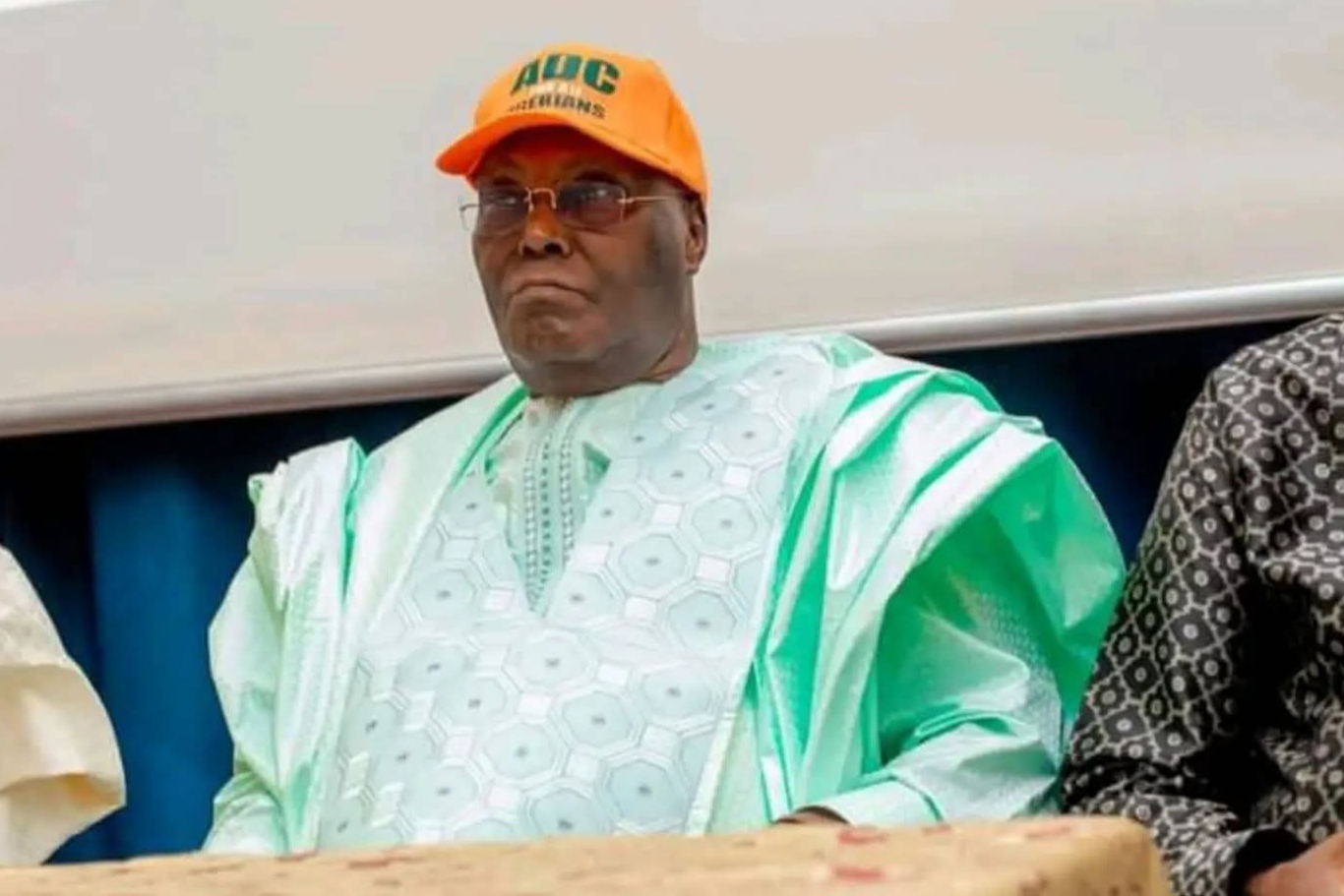
Former Vice President Atiku Abubakar has announced that the 2027 presidential election will be his final bid for Nigeria’s highest office, drawing a line under a political ambition that has spanned more than three decades.
Speaking during an interview on Prime Time on Arise Television on Wednesday, Atiku who will be 80 by the next election cycle said he intends to make one last attempt at the presidency. “The 2027 election will be my last outing,” he stated.
Atiku, who first contested for the presidency in 1992, addressed concerns about his age and repeated candidacies by insisting that Nigeria’s foremost challenge remains ineffective leadership rather than generational turnover. He argued that experience, particularly at the highest level of governance, is critical to steering the country through its persistent political and economic difficulties.
Drawing on his tenure as Vice President and former military governor, he maintained that his background places him in a stronger position than the incumbent, President Bola Ahmed Tinubu, to provide direction and stability. According to him, the shortcomings witnessed in several states governed by younger leaders often stem from a lack of guidance at the federal level.
He suggested that without seasoned leadership at the centre, less experienced officials struggle to navigate the complexities of governance, leading to underperformance. In his view, this pattern has contributed to what he described as “woeful leadership” in parts of the country.
Atiku also reflected on past administrations, pointing to the presidency of Goodluck Jonathan as an example where, he argued, inexperience at the top affected national outcomes.
Despite his emphasis on experience, the former Vice President acknowledged the importance of nurturing the next generation of leaders. He called for structured leadership training programmes for young Nigerians, stressing that the country must invest deliberately in preparing future leaders to take on national responsibilities.
His remarks strike a balance between defending the value of experience and recognising the urgent need to equip younger citizens with the skills required to lead effectively in the years ahead.






Leave a Reply