
By Paul Joseph
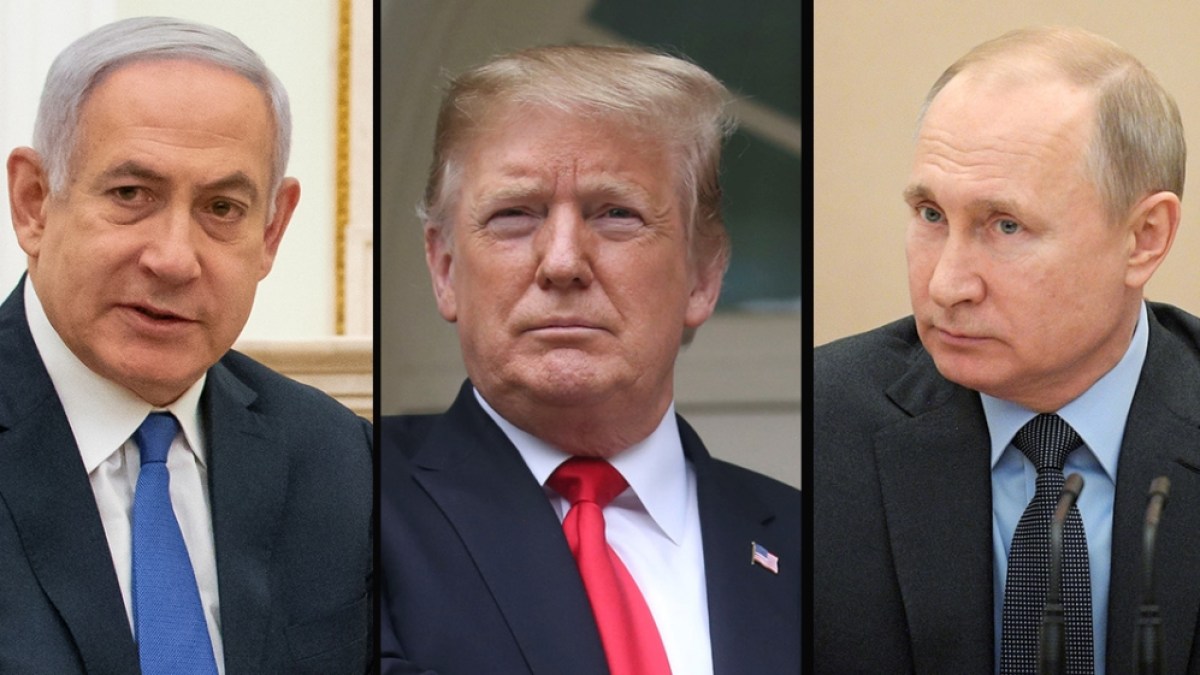
The global security landscape is once again under strain as military tensions escalate across the Middle East and Eastern Europe, with the United States, Israel, Iran, Lebanon, and Russia all involved in active conflict.
The US military announced new strikes on southern Iran targeting Iranian missile sites and boats attempting to lay mines. According to US Central Command, the operations were carried out in “self-defense” to “protect our troops from threats posed by Iranian forces.”
Central Command spokesperson Capt Tim Hawkins emphasized that US forces continue to act with restraint amid the ongoing ceasefire.
The strikes targeted areas near Bandar Abbas, a southern port city and home to an Iranian naval base on the Strait of Hormuz. Explosions were reported by local officials in Bandar Abbas, though Iran has yet to respond to the latest US military action.
Despite reports of progress in talks between the US and Iran, Iranian Foreign Ministry spokesman Esmail Baqai said an agreement to end the conflict “is not imminent.”
The memorandum under discussion reportedly involves a 60-day ceasefire extension, reopening the Strait of Hormuz, and further negotiations over Iran’s nuclear program.
President Donald Trump indicated that enriched uranium in Iran would either be turned over to the US immediately or destroyed in coordination with Iranian authorities.
While negotiations continue in Doha, senior officials on both sides have tempered expectations for an immediate deal.
The conflict began after US and Israeli strikes on Iran on 28 February, prompting retaliatory attacks on Israel and US-allied Gulf states.
These developments have had global economic repercussions, including soaring oil prices.
In a separate development, Israeli Prime Minister Benjamin Netanyahu announced that Israel would intensify attacks on Hezbollah in Lebanon.
The Israel Defense Forces (IDF) launched strikes across the Bekaa Valley and other areas in response to ongoing hostilities.
Netanyahu declared Israel “at war with Hezbollah” and directed the military to “deal them a crushing blow.” The strikes come despite a ceasefire extension agreed earlier this month, with fighting largely confined to southern Lebanon.
However, concerns are rising that the conflict could spread to Beirut.
The escalation has resulted in heavy casualties: over 600 Hezbollah fighters reportedly killed, 10 Israeli soldiers dead since the ceasefire, and more than 400 Lebanese civilians, including paramedics and emergency workers, killed in Israeli bombardments.
Tens of thousands of Lebanese citizens have been displaced by ongoing operations.
Lebanon’s government has called for a ceasefire to disarm Hezbollah, while Israel continues its military campaign to neutralize the group, which retaliated after an Israeli strike killed Iran’s supreme leader Ayatollah Ali Khamenei.
Meanwhile, in Eastern Europe, Russia has threatened a new wave of “systematic strikes” on Kyiv, following one of its largest attacks on the Ukrainian capital since the start of the war.
Russian strikes are expected to target “decision-making centers, command posts, and drone manufacturing facilities,” while Moscow urges foreign nationals and diplomats to leave the city.
Ukraine condemned Russia’s warning as “shameless blackmail” and called on allies to pressure Moscow. Recent Russian attacks on Kyiv killed at least four civilians and injured around 100.
These strikes came after Russia claimed a Ukrainian attack on a student dormitory in Starobilsk, which killed 21 people, though Ukraine’s military denied targeting civilians, claiming to have struck an elite Russian drone unit instead.
Since the war began, Kyiv has faced relentless missile and drone attacks. While Ukraine has developed a sophisticated air defense system, Russia often overwhelms these defenses with sheer numbers, causing damage to civilian infrastructure including museums, markets, and residential buildings.
The convergence of these conflicts highlights growing instability on multiple fronts: US-Iran tensions over nuclear and maritime issues, Israel-Lebanon hostilities linked to Hezbollah, and Russia’s ongoing war with Ukraine.
Analysts warn that without coordinated diplomatic efforts, these disputes could further destabilize global security.




Leave a Reply