
Written By Abdulqadir Muhammad Alhaji
A fresh rise in global oil prices is pushing fuel costs higher across Africa, but in Nigeria the continent’s largest crude producer the impact has been particularly sharp, placing households and businesses under growing strain.
Across the region, policymakers warn that climbing crude prices, driven largely by geopolitical tensions in the Middle East, are fuelling inflation and testing already fragile economies. While many African countries are grappling with similar pressures due to their reliance on imported refined petroleum products, Nigeria’s experience stands out for both the speed and scale of the increases.
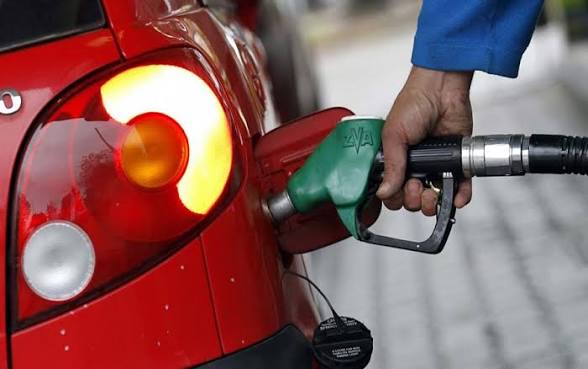
As of March 2026, petrol prices in Nigeria have surged to between ₦1,350 and ₦1,385 per litre in several parts of the country, marking a steep rise that is being felt in everyday life. For commuters, traders and small business owners, the effects are immediate higher transport fares, rising food prices and shrinking disposable incomes.
The roots of the crisis are complex. The removal of petrol subsidies in 2023 fundamentally altered Nigeria’s fuel pricing system, exposing domestic prices directly to fluctuations in the global oil market. While the policy was widely seen as a necessary economic reform, it has also been linked to rising inflation, reduced household purchasing power and increased financial hardship for many families.
Currency pressures have further compounded the situation. With fuel transactions largely denominated in US dollars, the weakening of the naira has significantly increased the cost of importing or refining petroleum products, pushing pump prices even higher. For ordinary Nigerians, this translates into a daily struggle to keep up with escalating living costs.
Despite its status as a major oil producer, Nigeria has long depended on imported refined fuel due to limited domestic refining capacity. Although the Dangote Refinery has begun large-scale production, the transition towards self-sufficiency has yet to stabilise prices. In the interim, reduced imports and reliance on locally refined products priced against international benchmarks have contributed to short-term volatility.
Government efforts to support domestic refining, including the introduction of import duties on fuel products, are intended to strengthen local capacity but have also added to costs in the short term. At the same time, the largely deregulated downstream sector means that domestic fuel prices now respond swiftly to global market shifts, leaving consumers more exposed to international volatility.
The consequences are being felt across every sector of the economy. Transport operators are passing on higher fuel costs to passengers, food prices continue to climb due to increased logistics expenses, and manufacturers are grappling with rising energy bills. For many small businesses, already operating on thin margins, the situation is becoming increasingly unsustainable.
Ultimately, Nigeria’s fuel price surge is not the result of a shortage of crude oil, but a convergence of policy reforms, currency instability, global market forces and longstanding structural challenges. While other African nations face similar headwinds, some have been able to cushion the blow through subsidies, stronger currencies or more diversified supply systems.
In Nigeria, however, the transition to a fully deregulated fuel market combined with broader economic vulnerabilities has heightened exposure to these shocks. Until reforms in refining capacity, foreign exchange stability and market competition begin to take hold, fuel price volatility is likely to remain a defining feature of the country’s economic reality, with ordinary citizens bearing the brunt of the adjustment.





Leave a Reply