
By Paul Joseph
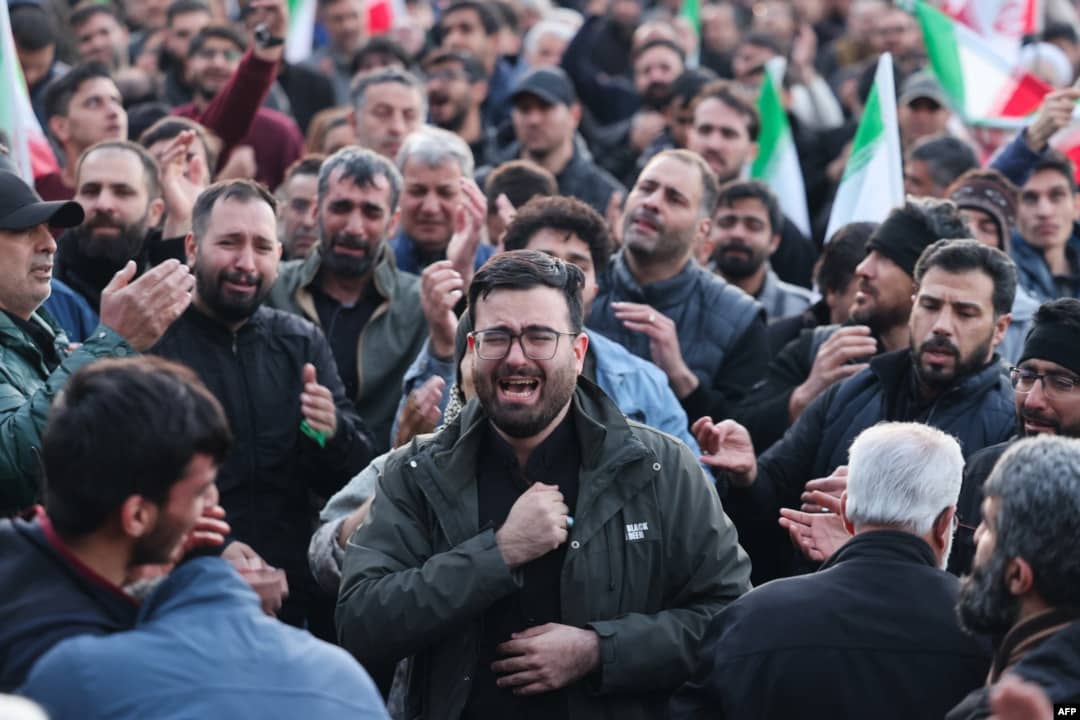
On streets that are usually choked with traffic, there are now long stretches of silence. A badly damaged police station in the capital stands as a symbol of the widening conflict, which has drawn in Washington more directly in recent days.
“I don’t care about politics,” one resident said. “I just want my children to go to school and not be afraid.”
Earlier, US Defense Secretary Pete Hegseth confirmed that a US submarine had sunk an Iranian warship in the Indian Ocean. The Pentagon released footage it said showed the strike.
The vessel, identified as the Iris Dena, is believed to have been carrying about 180 people. Sri Lankan authorities say 32 were rescued, while 80 bodies have so far been recovered. The fate of dozens more remains unclear.
At the same briefing, Chairman of the Joint Chiefs of Staff Gen Dan Caine said the US would strike “progressively deeper into Iranian territory” if hostilities continue.
The comments signal a potential expansion of the conflict, raising fears among civilians already grappling with shortages and mounting insecurity.
Iran’s president, Masoud Pezeshkian, said the country had “no choice” but to respond to what he described as a joint US-Israeli operation.
State media reported that Iranian forces had launched new missiles toward Israel. The Israeli military said it had intercepted several incoming projectiles.
The spiralling exchanges have heightened concerns of a broader regional war, with diplomatic efforts appearing stalled.
In a further sign of the turmoil, Iranian authorities postponed a planned three-day funeral ceremony for former Supreme Leader Ayatollah Ali Khamenei. No new date has been announced.
For many in Tehran, however, the geopolitical manoeuvring feels distant from daily anxieties about safety, fuel and food supplies.
“Everything is uncertain,” said a university student who asked not to be named. “We are tired. We deserve a normal life.”




Leave a Reply