
By Paul Joseph
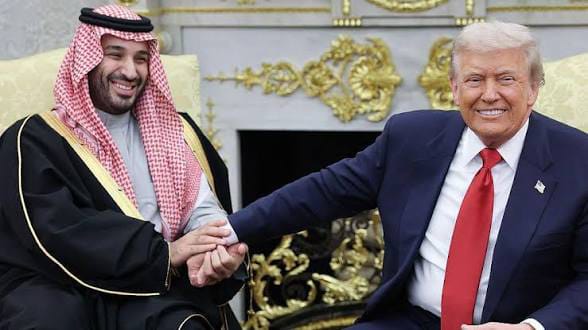
The United States and Saudi Arabia have signed a landmark agreement to establish a civilian nuclear cooperation programme, marking a major milestone in relations between the two allies while raising fresh concerns over nuclear proliferation in the Middle East.
The agreement, described by the US Department of Energy as a “peaceful nuclear cooperation agreement,” is expected to pave the way for decades of collaboration in nuclear energy and provide American companies with significant opportunities in Saudi Arabia’s expanding nuclear sector.
Although the full text of the agreement has not been released, reports indicate it could eventually allow Saudi Arabia to enrich uranium domestically. While enriched uranium can be used to fuel civilian nuclear power plants, it can also be refined for use in nuclear weapons, prompting concern among non-proliferation experts.
The US Department of Energy said the pact was accompanied by a bilateral safeguards agreement designed to ensure the programme adheres to international nuclear safety and non-proliferation standards.
According to the department, the agreements establish the legal framework for a multi-billion-dollar partnership that supports economic growth, energy security and long-term strategic cooperation between both countries.
Saudi Arabia also welcomed the deal, describing it as an extension of existing cooperation in the energy sector following Crown Prince Mohammed bin Salman’s visit to Washington last year.
The agreement comes at a time of heightened tensions in the Middle East, with the United States and its allies maintaining pressure on Iran over its nuclear programme. Washington and Israel have repeatedly stated that preventing Iran from acquiring nuclear weapons remains a key security objective, while Tehran insists its nuclear activities are for peaceful purposes.
The possibility of Saudi Arabia enriching uranium has nevertheless sparked debate among nuclear experts, some of whom warned that such a move could increase the risk of future nuclear weapons development in the region.
US Energy Secretary Chris Wright defended the agreement, saying it upholds the highest standards of nuclear safety while advancing American technological leadership and strengthening regional security.
The deal will now be submitted to the US Congress for review, where it is expected to face scrutiny from some lawmakers despite Republicans holding majorities in both chambers.
If approved, the agreement could reshape strategic alliances and the balance of power in the Middle East while opening the door to billions of dollars in investment and commercial opportunities in Saudi Arabia’s civilian nuclear industry.





Leave a Reply