
By Paul Joseph
The United States has launched what it described as “self-defence strikes” against military, surveillance and radar installations in southern Iran, marking a significant escalation in tensions between Washington and Tehran and triggering a fresh exchange of attacks across the Middle East.
The operation was confirmed by the United States Central Command (CENTCOM), which said the strikes targeted facilities linked to Iran’s military capabilities and were aimed at protecting American personnel and interests in the region.
The attacks came hours after US President Donald Trump warned that American forces would hit Iran “hard” amid growing tensions and stalled diplomatic efforts between the two countries.
In retaliation, Iran launched missile and drone attacks targeting US military assets in Bahrain, Kuwait and Jordan. Iran’s Foreign Ministry condemned the American operation, describing it as a violation of the ceasefire reached in April and warning that the agreement had become “practically meaningless.”
Iranian authorities said responsibility for the consequences of the attacks rests with Washington.
The Islamic Revolutionary Guard Corps (IRGC) claimed it fired ballistic missiles at a US command centre in Jordan and alleged that several American aircraft and military facilities were destroyed during the operation.
Iranian state media reported that 12 ballistic missiles were launched at the Muwaffaq Salti Airbase.
However, Jordanian military officials said the country’s air defence systems intercepted about 20 incoming missiles headed toward the Azraq region, preventing casualties or significant damage.
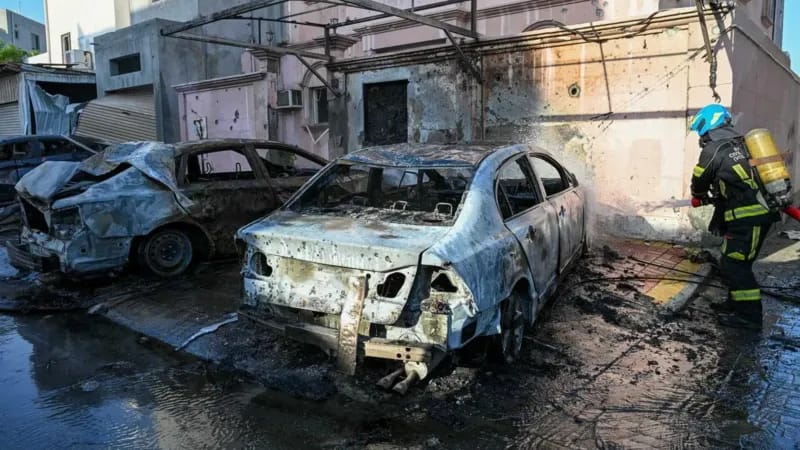
In Bahrain, authorities reported that air raid sirens were activated after Iranian drones entered the country’s airspace. Falling debris from intercepted drones damaged homes and vehicles in the capital, Manama, and the town of Hamad. Officials said an 11-year-old girl sustained minor injuries.
Kuwait also announced that its air defence systems intercepted hostile aerial targets and temporarily closed its airspace before reopening it several hours later.
Inside Iran, explosions were reported around Tehran, the southern port city of Bandar Abbas and other locations near the strategically important Strait of Hormuz.
The situation around the Strait of Hormuz further heightened concerns after Iranian media reported that the waterway had been closed to all vessels. The IRGC also claimed responsibility for attacks on two oil tankers passing through the route, though independent confirmation was not immediately available.
Despite the claims, CENTCOM stated that commercial shipping traffic continued to move through the strait.
The renewed hostilities sent global oil prices higher, with Brent crude rising by roughly two per cent to around $95 per barrel amid concerns over potential disruptions to energy supplies.
Earlier, President Trump had accused Iranian leaders of delaying negotiations and threatened additional military action if a new agreement was not reached. US Defence Secretary Pete Hegseth said Iran had been given opportunities to negotiate but failed to do so.
Meanwhile, Iranian President Masoud Pezeshkian vowed that Iran would remain firm against what he described as foreign pressure and threats. Tehran also accused Washington of undermining diplomatic efforts through conflicting messages.
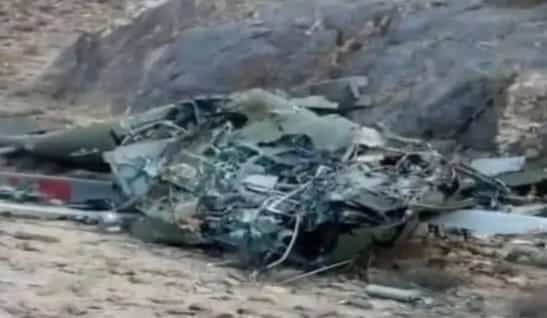
The ceasefire between the two countries, reached in April, was initially intended to last two weeks but has since been marked by sporadic exchanges of fire. While both sides avoided full-scale conflict for months, recent incidents, including the downing of an American military helicopter and retaliatory strikes on regional military installations, have significantly increased tensions.
Reacting to the latest developments, United Nations Secretary-General António Guterres warned that the Middle East was being drawn deeper into crisis.
According to Guterres, the current situation shows that the ceasefire is increasingly fragile and risks escalating into a broader regional conflict unless all parties return to diplomatic negotiations.
The renewed exchange of attacks has intensified concerns among world leaders and energy markets, with fears growing that continued escalation could destabilise the wider Middle East and disrupt global trade routes.



Leave a Reply