
By George Omagbemi Sylvester
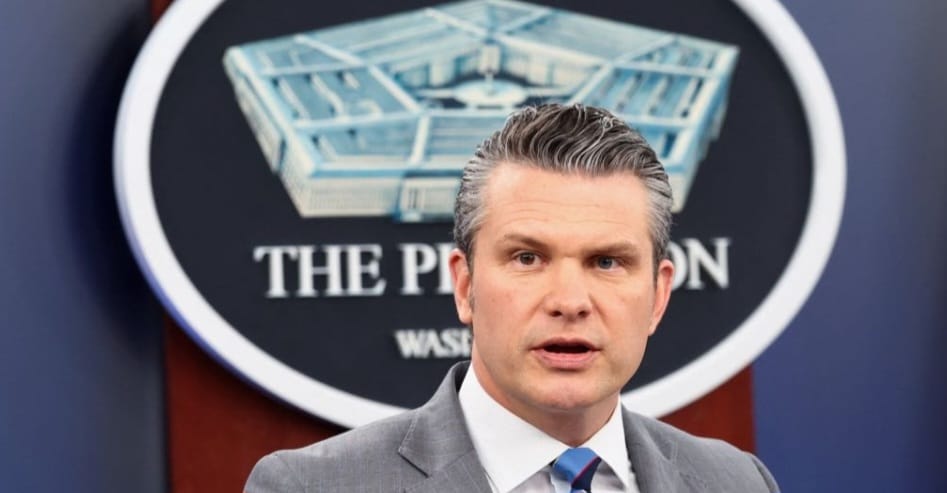
U.S. Defence Secretary Pete Hegseth and Iranian authorities remain at the centre of renewed geopolitical friction as Washington signals tougher maritime enforcement while diplomatic channels quietly reopen.
On 25 April 2026, Washington intensified its stance, with Hegseth stating that a U.S. blockade pressure campaign targeting Iran is “going global,” while simultaneously suggesting Tehran still has an opportunity to secure a “good deal” with the United States.
The dual messaging reflects a calibrated strategy combining economic pressure with diplomatic signalling.
According to three Pakistani sources cited by Reuters, indirect peace talks between Iran and the United States could resume soon in Pakistan, indicating that backchannel diplomacy remains active despite heightened rhetoric.
The potential venue underscores Islamabad’s recurring role as a discreet facilitator in regional negotiations.
The situation highlights a familiar pattern in U.S.–Iran relations: public escalation paired with private engagement.
While sanctions pressure and naval deterrence aim to constrain Tehran’s strategic options, diplomatic re-engagement suggests neither side is fully prepared for prolonged rupture.
The coming weeks will determine whether this moment evolves into de-escalation or deepens into another cycle of strategic confrontation across the Gulf and broader Middle East.


Leave a Reply