
By George Omagbemi Sylvester
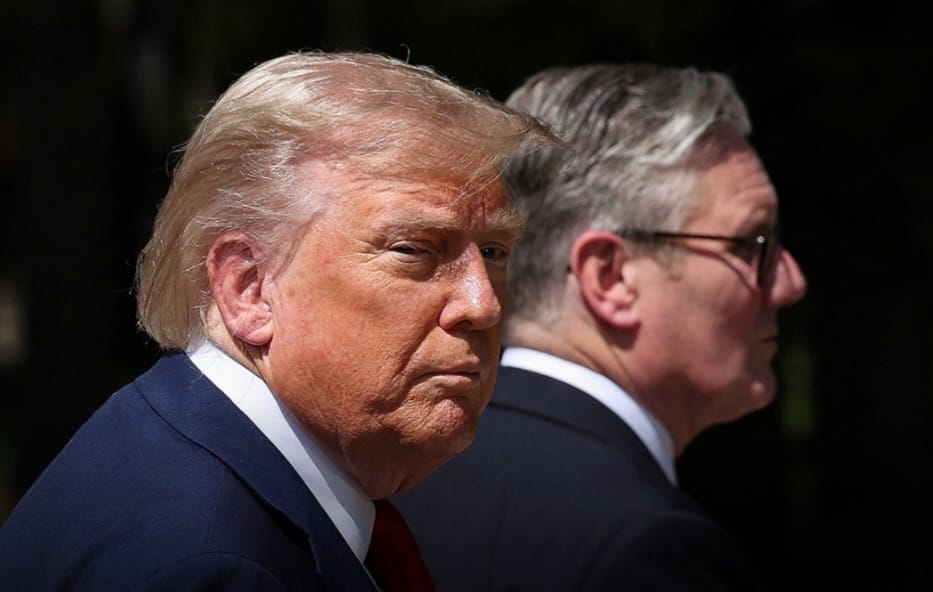
United States President Donald Trump has sharply criticised British Prime Minister Sir Keir Starmer, branding him “not Winston Churchill” after the UK initially refused to allow U.S. forces to use British bases in strikes against Iran — a move that has thrust the trans‑Atlantic “special relationship” into diplomatic tension. The controversy unfolded in early March 2026 in Washington and London, as global scrutiny intensified around the widening Middle East conflict.
Trump’s blunt comments came after Starmer insisted Britain would only support military action with a lawful mandate and a clearly thought‑through plan, arguing that the safety of British nationals and legal oversight must guide UK engagement. Starmer also stressed that U.S. military aircraft were operating from British bases, intelligence was being shared daily, and joint defence efforts continued — asserting that these deeper, operational ties, not presidential rhetoric, constitute the true essence of the “special relationship.”
BBC Political Editor Chris Mason’s analysis highlights that while personal attacks may strain political optics, the foundational alliance remains rooted in shared strategic interests rather than transient political theatre. The exchange prompts a central question: Can the personal rift be bridged without eroding long‑standing diplomatic and military cooperation between London and Washington?



Leave a Reply